Plant Material Behaves Nothing Like Hardscape
Plants and hardscape are priced on completely different curves, and most generic landscape estimates blur them together into one misleading number. A shrub costs what it costs at the nursery plus a planting labor fee, and that price is fairly stable no matter which yard it goes into. A patio, by contrast, is priced by the square foot of material plus base preparation, and the base prep, excavation, gravel, compaction, can quietly become the majority of the cost before a single paver is laid.
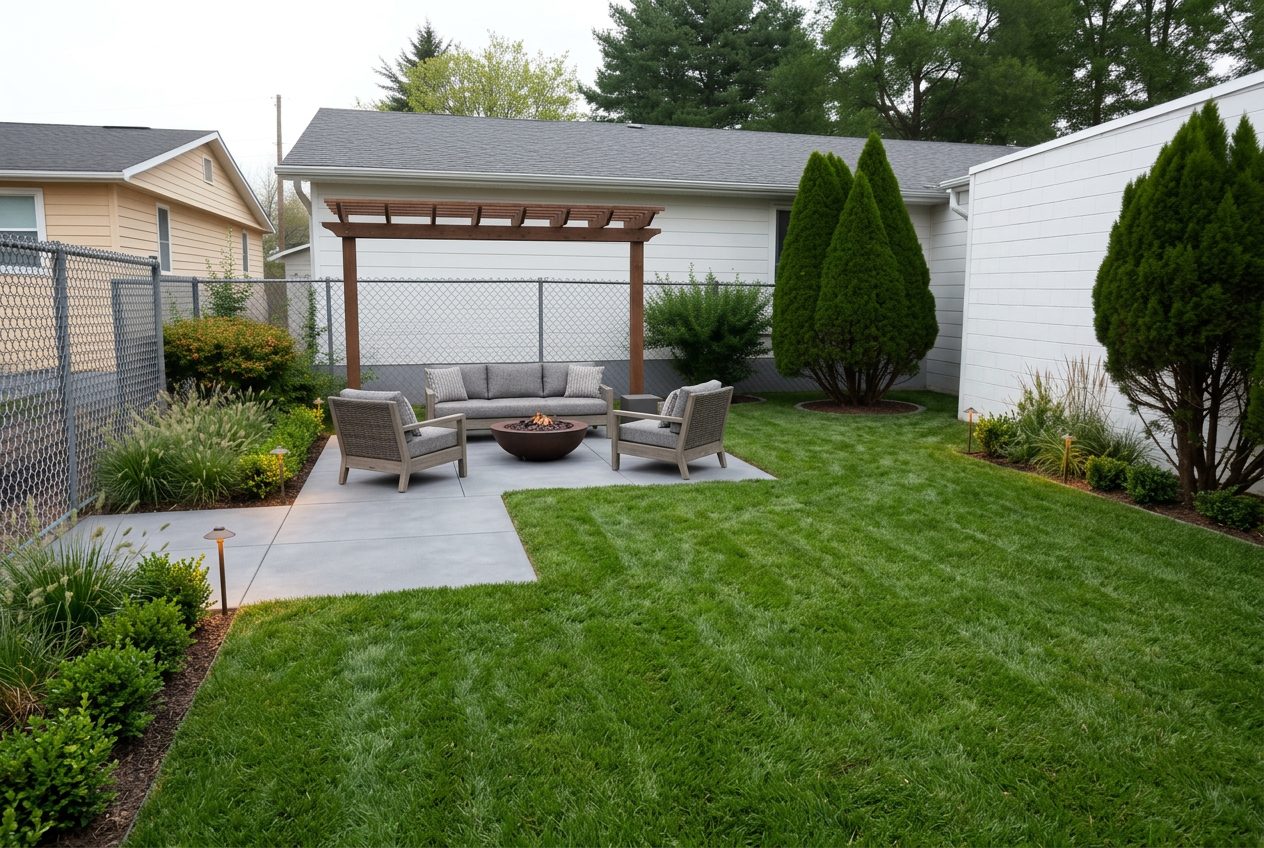
This tool keeps those two categories separate in the scope so you are not looking at one blended number that hides which part of the project is actually expensive. It is common for a yard with modest planting and an ambitious patio to have 70 percent of its budget sitting in hardscape, and the scope should say that plainly rather than average it out.
Irrigation & Drainage: The Invisible Budget Line
Irrigation and drainage rarely appear in a homeowner's mental picture of a landscape project, because neither one is visible once installed. But skipping them is how a beautiful planting bed dies in its first August or a new patio ends up with standing water after every storm.
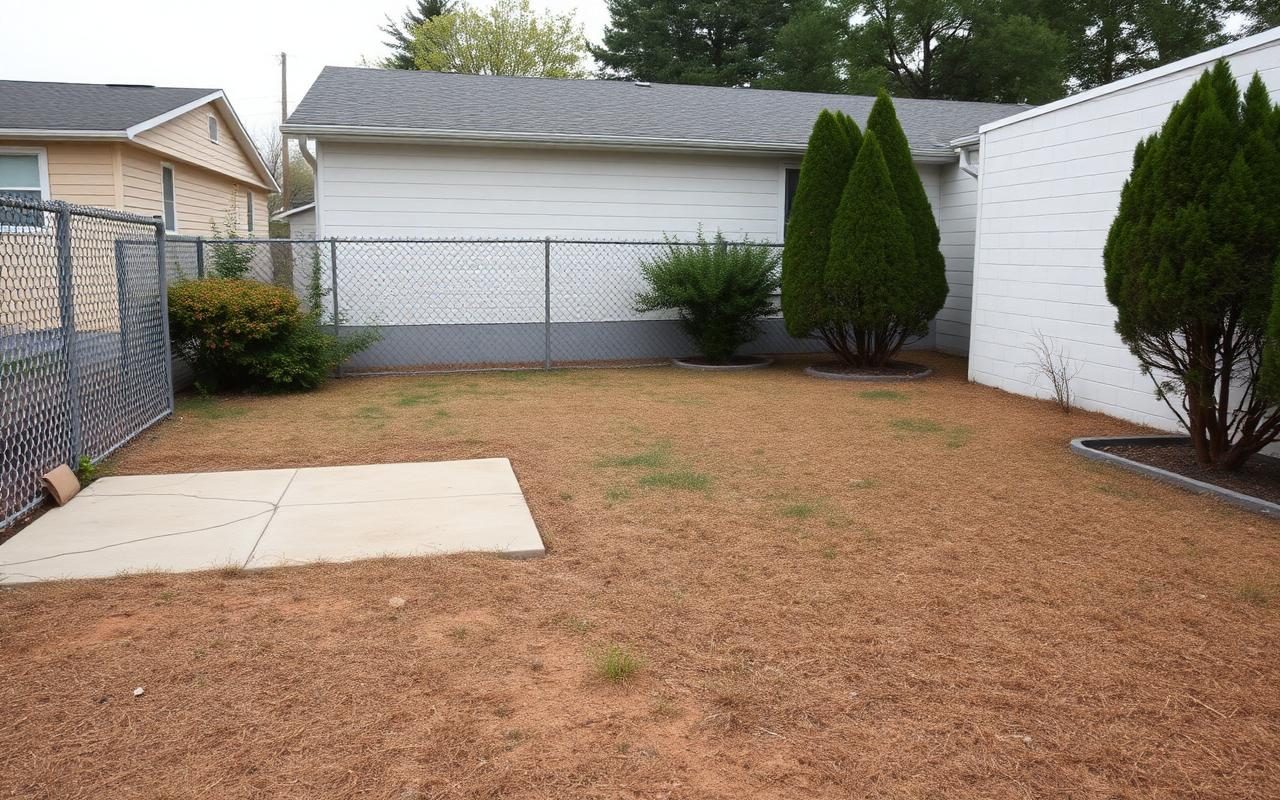
The tool includes an irrigation line for any bed or tree work proposed, and a drainage allowance whenever the yard photo suggests grading could be an issue, low corners, water staining near a fence line, a downspout draining directly into a planting area. These are flagged with lower confidence than the plant list itself, since actual drainage behavior depends on rainfall and soil conditions a photo cannot fully capture, but leaving them off the budget entirely is worse than an imperfect estimate.
Designing For Your Actual Climate Zone
A landscape design that ignores climate zone is a design for a plant list that will need replacing within a season. The tool asks for a general climate zone alongside the yard photo and restricts plant selections to species that are realistically hardy there, rather than proposing the same magnolia and boxwood combination regardless of whether the yard is in Phoenix or Portland.
This also affects the maintenance number. A xeriscape-leaning design in an arid zone can carry a lower ongoing water and care cost than a lush cottage garden style forced into the same climate, and the scope reflects that difference rather than treating maintenance as a flat percentage of build cost.
- Arid or low-water zones: drought tolerant plant selections, lower irrigation footprint
- Humid or temperate zones: broader plant palette, higher mowing and pruning frequency
- Cold winter zones: hardscape freeze-thaw considerations added to the patio and paver line
Maintenance Cost Is A Second Number, Not A Footnote
Most landscape estimates stop at the installed cost and leave maintenance as an afterthought, which is backwards, because maintenance is the number you pay every year the build cost only happens once. This tool includes an estimated monthly or seasonal maintenance range alongside the installed budget, split by mowing, pruning, and irrigation system upkeep where relevant.
This matters most when comparing two design directions that cost roughly the same to install. A native, low-maintenance planting scheme and a formal, high-maintenance garden can land within a few hundred dollars of each other on installation and diverge sharply over five years of upkeep. Seeing both numbers before you commit avoids the discovery, a season in, that the yard you chose needs more care than you planned to give it.