The Economics Of Curb Appeal
Curb appeal spending behaves differently from interior remodeling spending because the cost basis is smaller and the audience is broader. Every buyer who drives by sees the exterior whether or not they book a showing. That is why a fresh coat of paint and a new front door consistently show up near the top of return-on-cost lists, they touch the widest audience for the least money.
The mistake most homeowners make is treating the exterior as one project instead of several trades stacked on top of each other. Paint is cheap and fast. Roofing and siding are expensive and slow. This tool keeps those separated in the scope so you can paint this spring and defer the roof to next year without losing track of either number.
What Paint & A Front Door Actually Return
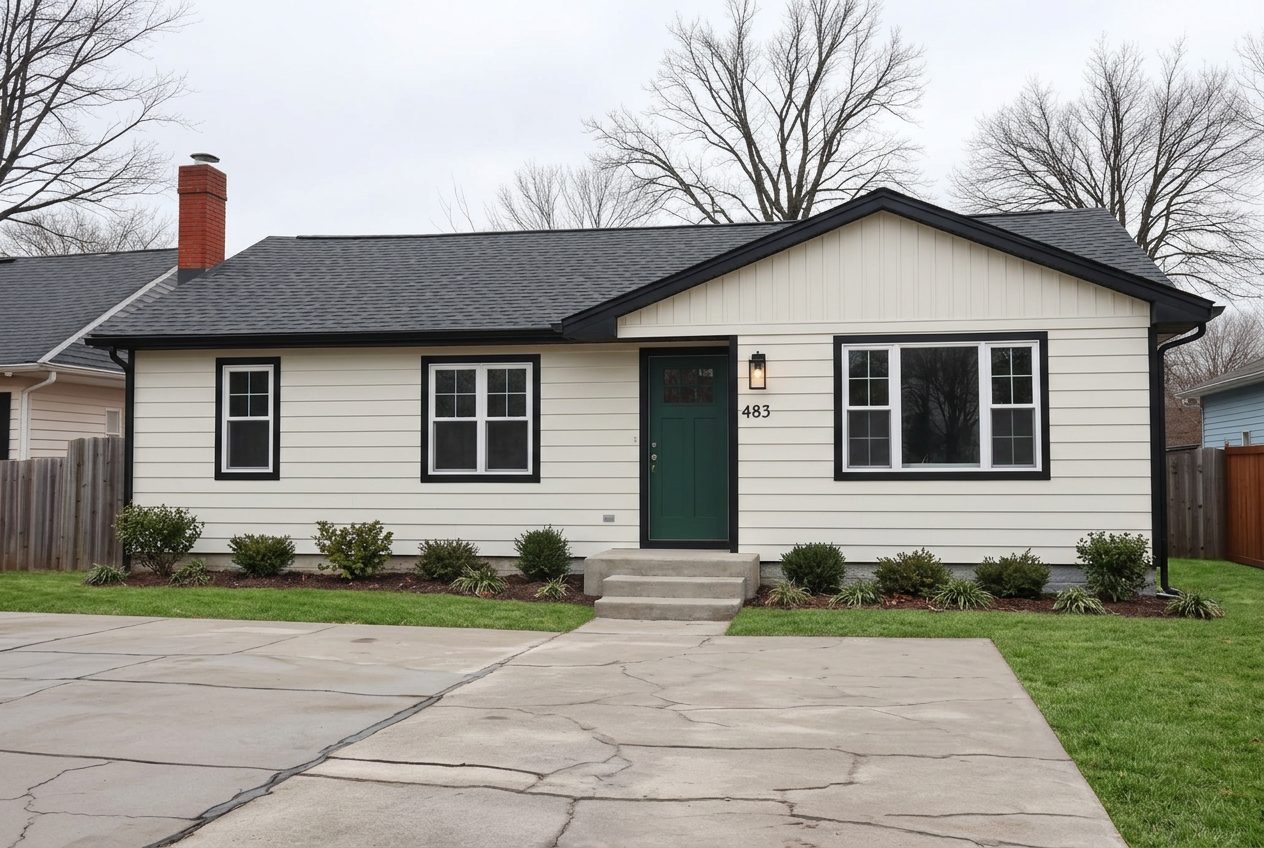
Paint and a front door are the two items most commonly cited as high-return exterior work, and the reason is straightforward: they are the two elements a buyer's eye lands on in the first three seconds, and they are inexpensive relative to structural work. A repaint on a modest single story house typically runs a few thousand dollars, well under the cost of a roof or a siding job, which is part of why the return percentage looks favorable.
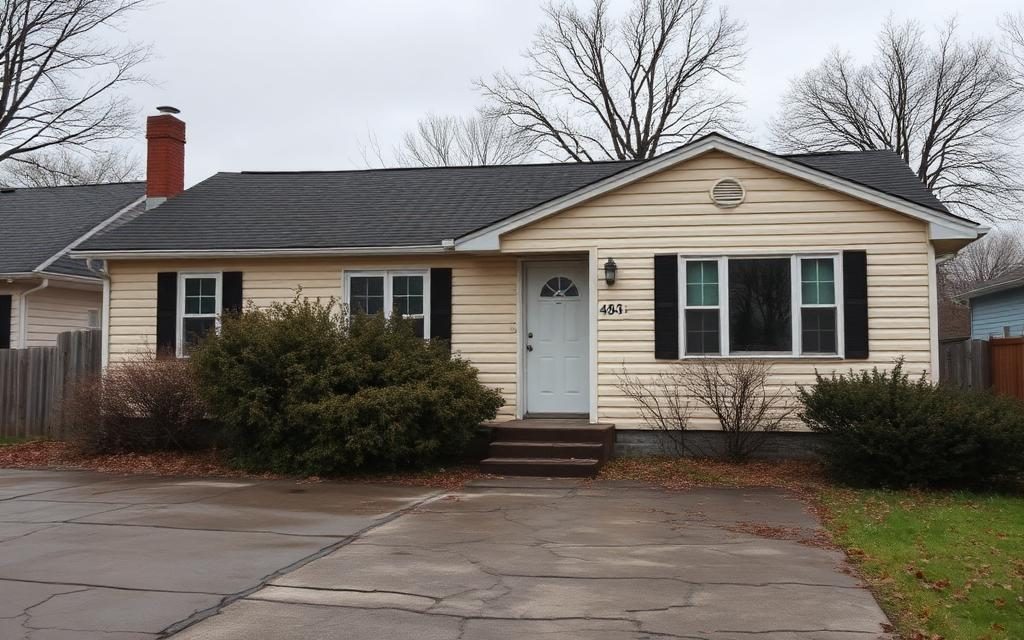
That does not mean paint color is a minor decision. Color choice is one of the few free variables in a renovation, so the tool generates several palette options against your actual roofline and trim before you spend anything, since repainting a repaint is money nobody wants to spend twice.
Roof & Siding Allowances, Handled Honestly
Roof and siding are the two line items in an exterior scope that a photo genuinely cannot price with confidence, because condition matters more than appearance. A roof that looks fine from the street can have five years of life left or fifteen, and that difference is a five figure swing.
For that reason, roof and siding line items in this tool are always shown as an allowance with a wider range and a lower confidence label, rather than a tight number dressed up to look precise. If your project depends on the roof, treat that line as a placeholder to confirm with an inspection, not as a planning figure to build a budget around.
- Paint, doors, lighting: tight ranges, high confidence, priced from the photo alone
- Landscaping and hardscape: moderate ranges, medium confidence, quantity estimated from the elevation
- Roof and siding condition: wide allowance, low confidence, needs a physical inspection
Why Exterior Square Footage Is Measured Differently
Interior renovation costs are usually priced per square foot of floor area. Exterior costs are priced per square foot of elevation, the vertical wall and roof surface a painter or a siding crew actually has to cover, not the footprint of the house. A single story ranch and a two story colonial can have identical floor square footage and very different paint bills, because the two story house has roughly twice the wall surface to coat.
This tool estimates elevation area from the photo geometry rather than asking you for your home's floor plan square footage, because floor square footage is close to useless for pricing an exterior job. If you have seen a painting estimate that seemed disconnected from your home's listed size, this is usually why.