How A Real Rehab Number Gets Built
Every legitimate rehab estimate is quantity times rate times a labour factor. The quantity comes from measuring the space, square feet of flooring, linear feet of cabinetry, square feet of tile. The rate comes from what that material and its installation actually cost in a given market, which is why a kitchen in rural Ohio and a kitchen in coastal California can differ by 40 percent for the identical scope. The labour factor adjusts for local trade availability and permitting friction, and it is the piece most flat calculators skip entirely.
Contingency is the fourth term, and it is not padding. It exists because a rehab always surfaces something the initial walkthrough could not see, cracked subfloor under old carpet, undersized electrical panel behind a wall, a plumbing stack that has to be relocated once the tile comes off. Ten percent is a reasonable floor for a house that has been maintained. Fifteen to twenty percent is more honest for anything that has sat vacant or been a rental for a decade without inspection.
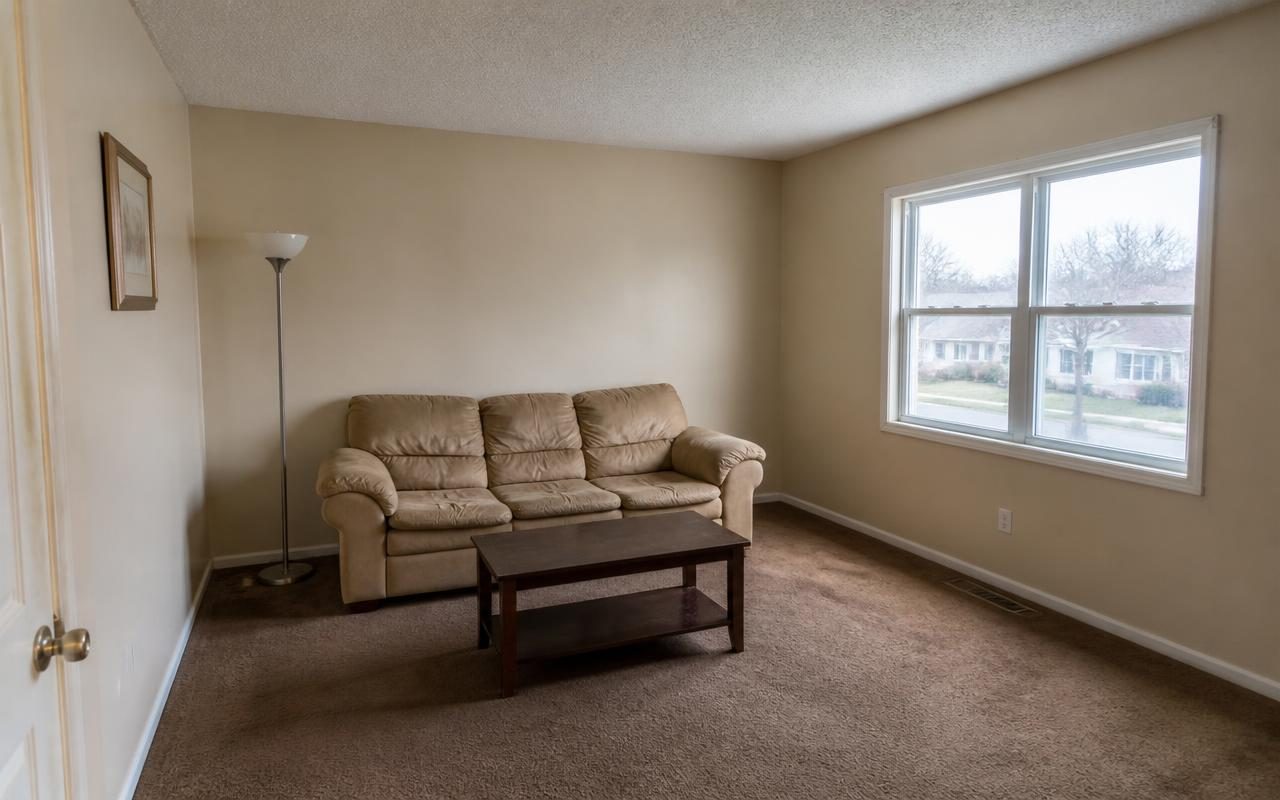
What this calculator produces is that same structure applied to your photo: measured or estimated quantities, published unit rates for the grade you select, and a contingency line you can see and adjust. It will not replace a contractor's walkthrough, but it gives you a number to walk into that conversation with instead of a guess pulled from a forum thread.
Per Square Foot Rule Of Thumb Versus Measured Scope
A per square foot rule of thumb, say $35 a square foot for a full rehab, is useful for one thing only: deciding whether a property is worth a second look. It compresses kitchens, bathrooms, mechanicals and cosmetic work into a single blended number, and blended numbers hide exactly the line items that blow budgets. Two houses at the same square footage with different kitchen conditions can differ by $15,000 in real cost while showing an identical per square foot figure on a spreadsheet.
A measured scope goes the other direction. It breaks the same house into flooring, paint, cabinetry, countertops, plumbing fixtures, electrical devices and appliances, prices each one at the unit rate for the grade you are targeting, and sums them with a contingency on top. It takes longer to produce but it is the only version a contractor can actually price against, and the only version that tells you which room is driving your budget.
Use the rule of thumb to screen ten properties in an afternoon. Use the measured scope on the two or three that survive that screen, before you make an offer or sign a contract. Skipping straight to a per square foot number on the property you are actually buying is how rehabs go 20 percent over.
- Per square foot: fast, good for screening multiple properties
- Measured scope: slower, good for the property you are actually buying
- Blended numbers hide which room is driving the budget
- A contractor cannot price a per square foot figure, only a line item scope
Where Rehab Budgets Actually Go Wrong
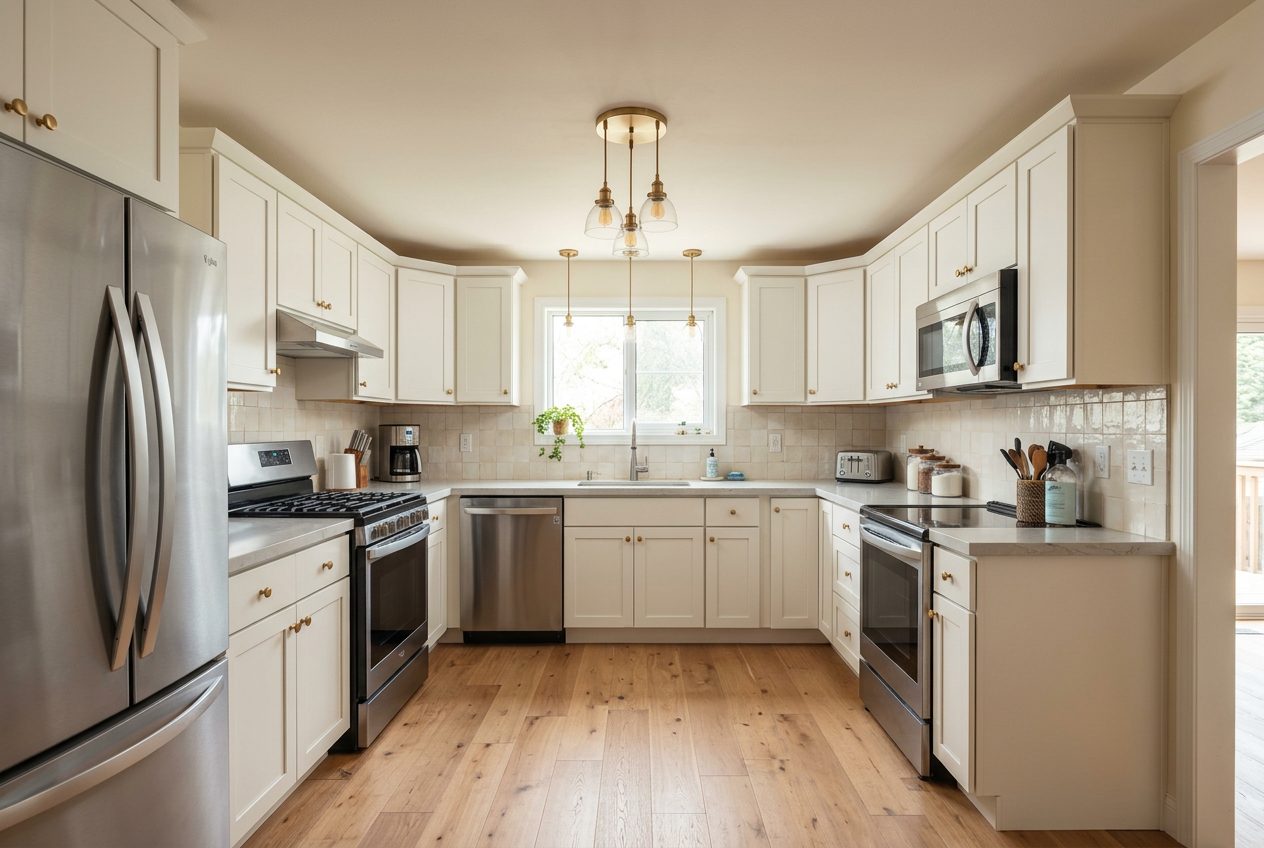
The three most common overruns are kitchens, bathrooms and anything behind a wall. Kitchens overrun because cabinetry is quoted by linear foot but people picture it by square foot of floor space, and a galley kitchen with 30 linear feet of cabinets can cost more than an open kitchen with 22. Bathrooms overrun because tile labour, not tile material, is the expensive part, and a shower with a niche and a bench adds hours a flat estimate never accounts for.
Behind the wall costs, old wiring, undersized panels, cast iron drain lines, are the ones that turn a planning range into a change order. They are also the reason contingency exists rather than being optional. A rehab calculator built from a photo can flag visible age indicators, an old panel, aluminum-looking wiring, visible corrosion, but it cannot see inside a wall, and no honest tool will claim otherwise.
Grade Changes The Entire Number, Not Just The Finishes
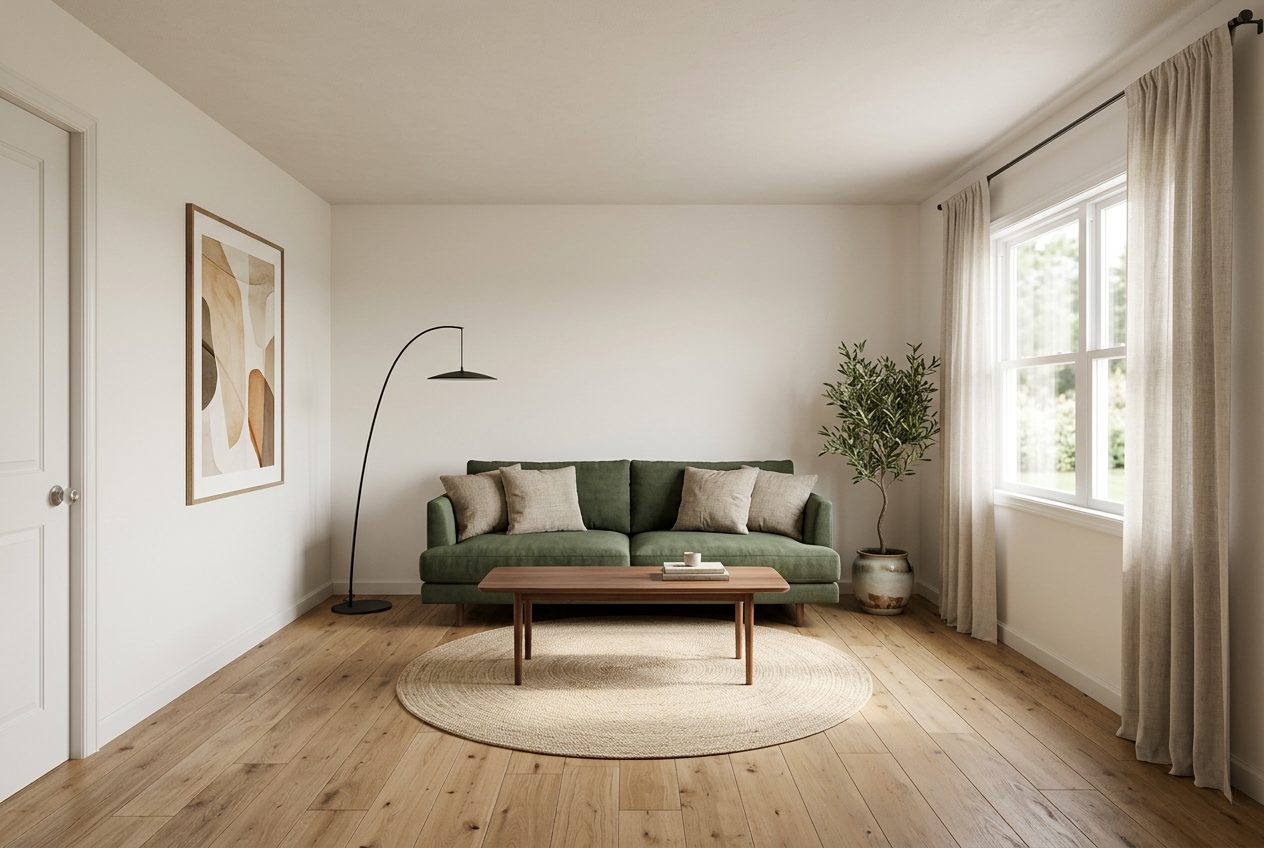
Rental grade, retail grade and premium are not cosmetic labels, they change the unit rate on every line in the scope. A rental grade kitchen uses laminate countertops and stock cabinets priced for durability and low replacement cost. A retail grade kitchen targets what a resale buyer in that market expects to see, quartz, semi custom cabinets, a tile backsplash. Premium goes further into custom cabinetry and higher end appliances aimed at a specific buyer.
Picking the wrong grade for your exit strategy is one of the most expensive mistakes a rehab budget can make. Retail grade finishes on a property you plan to hold as a long term rental overspend on durability you do not need. Rental grade finishes on a property you plan to flip in a retail neighborhood undersell what the comps in that street expect, and the appraisal or buyer walkthrough will reflect it.