Why Each Room Is Priced By A Different Driver
A kitchen renovation is priced primarily by linear feet of cabinetry and square feet of countertop, because those two items dominate both material and labour cost. A galley kitchen with 24 linear feet of cabinets and a small island can cost more than a larger open kitchen with fewer cabinet runs, which is why square footage alone is a poor predictor of kitchen cost. Appliances and plumbing fixtures add a fixed allowance on top regardless of layout.
A bathroom is priced mainly by tile labour and fixture count, not by square footage. A small bathroom with a walk in shower featuring a niche, a bench and a glass enclosure can cost more per square foot than a larger bathroom with a standard tub surround, because tile installation hours, not tile material, drive most of the number. Plumbing rough in changes, if the layout moves a drain or supply line, add cost that has nothing to do with room size.
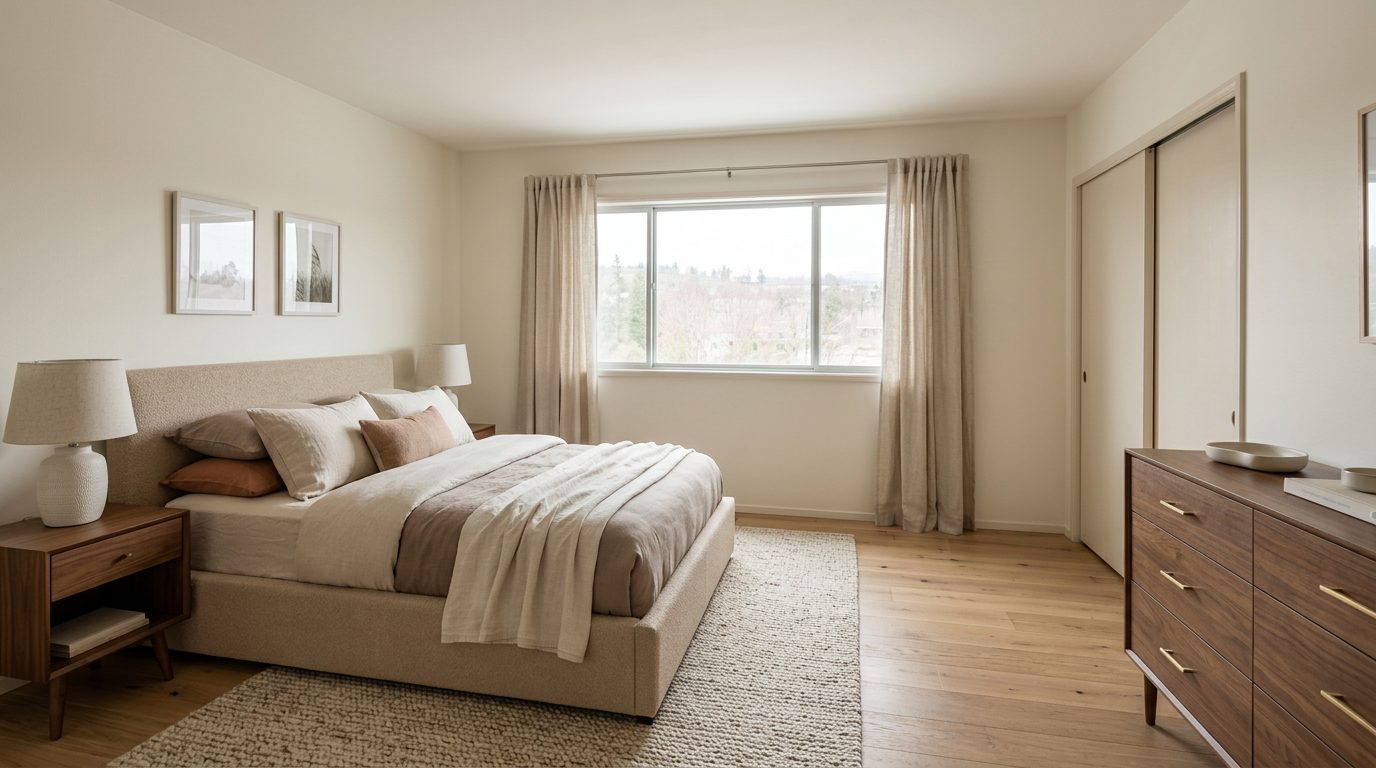
A living room, by contrast, scales closely with square footage because it is dominated by flooring, paint and furnishing, all of which are priced per square foot with minimal fixed cost. This makes living rooms the most predictable room to estimate and the easiest to compare directly against a bedroom of similar size.
Kitchen: The Most Expensive Room, Priced By Cabinetry Run
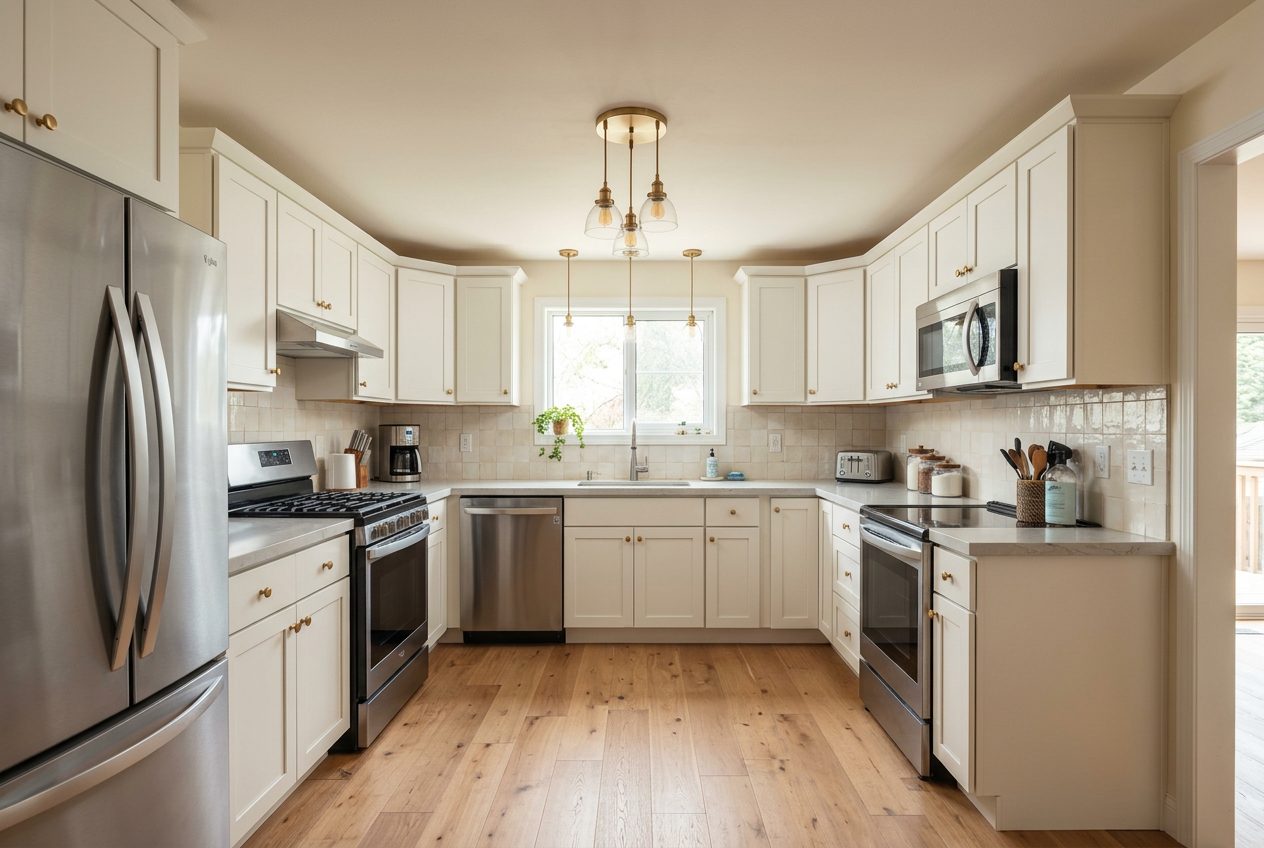
Cabinetry alone commonly makes up 35 to 45 percent of a kitchen renovation budget at retail grade. Semi custom shaker cabinets run roughly $44 to $66 per linear foot installed, and a typical kitchen needs 20 to 30 linear feet, putting cabinetry cost alone between $880 and nearly $2,000 before countertops, backsplash or appliances are added. This is why two kitchens of similar floor area can price thousands apart based purely on cabinet layout complexity.
Countertops, backsplash tile, flooring, plumbing fixtures and an appliance allowance stack on top, and appliances alone commonly run $2,400 to $4,600 for a mid range set of range, refrigerator, dishwasher and microwave. Add electrical work for under cabinet lighting or additional outlets and a retail grade kitchen renovation on an average sized kitchen typically lands between $19,000 and $35,000.
Bathroom And Living Room: Small Space, Big Number, And The Reverse
Bathrooms defy square footage intuition because tile labour is priced by installed square foot of wall and floor tile combined, commonly $42 to $68 per square foot including labour, and a shower surround alone can add 60 to 100 square feet of tile. A 45 square foot bathroom with a tiled shower, new vanity, toilet and updated lighting typically runs $9,000 to $18,000, a number that surprises homeowners comparing it to a much larger living room costing less.
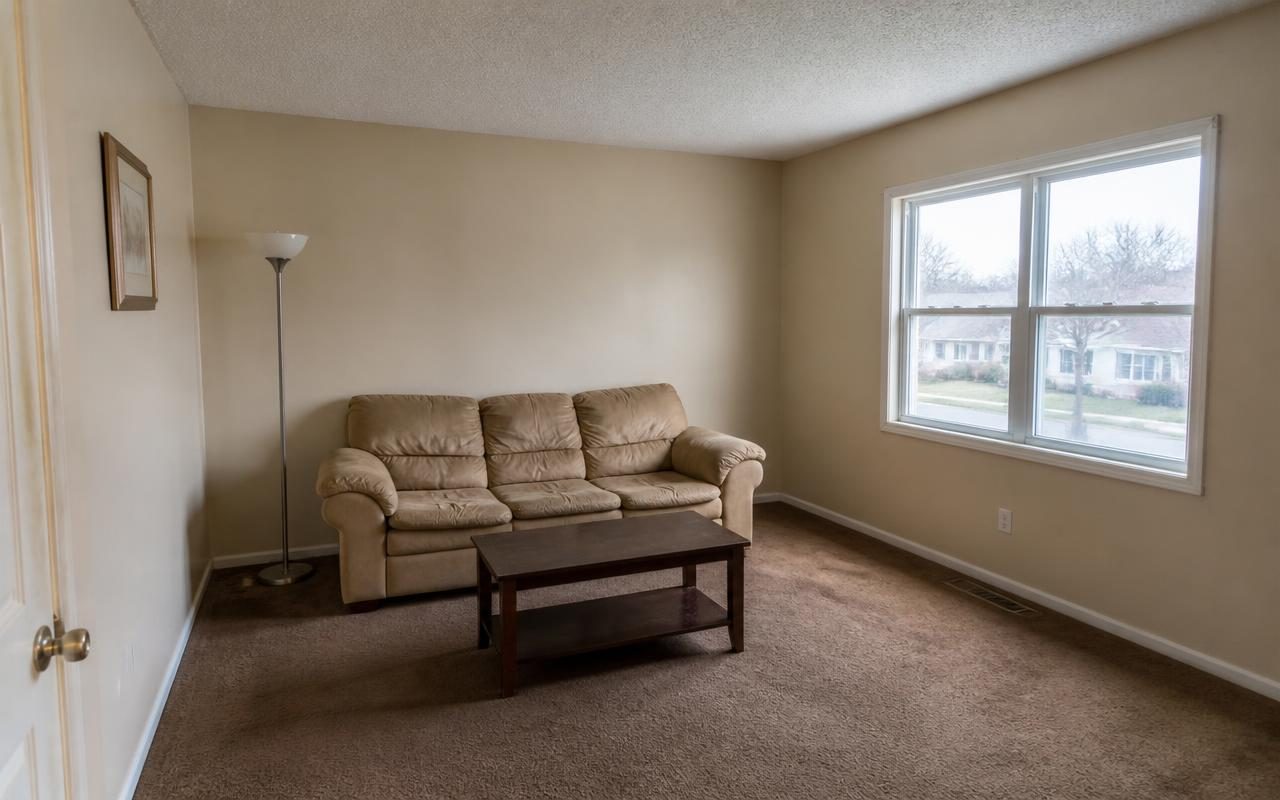
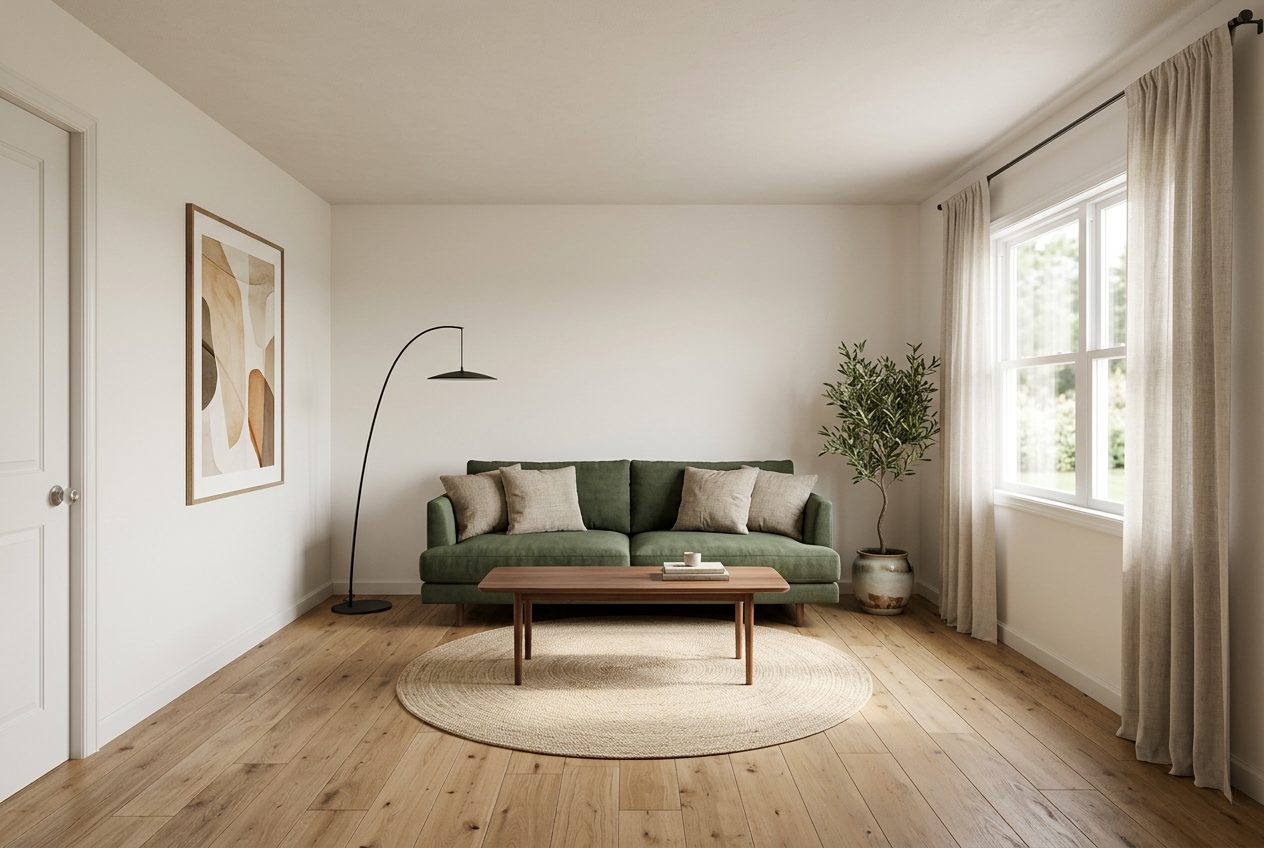
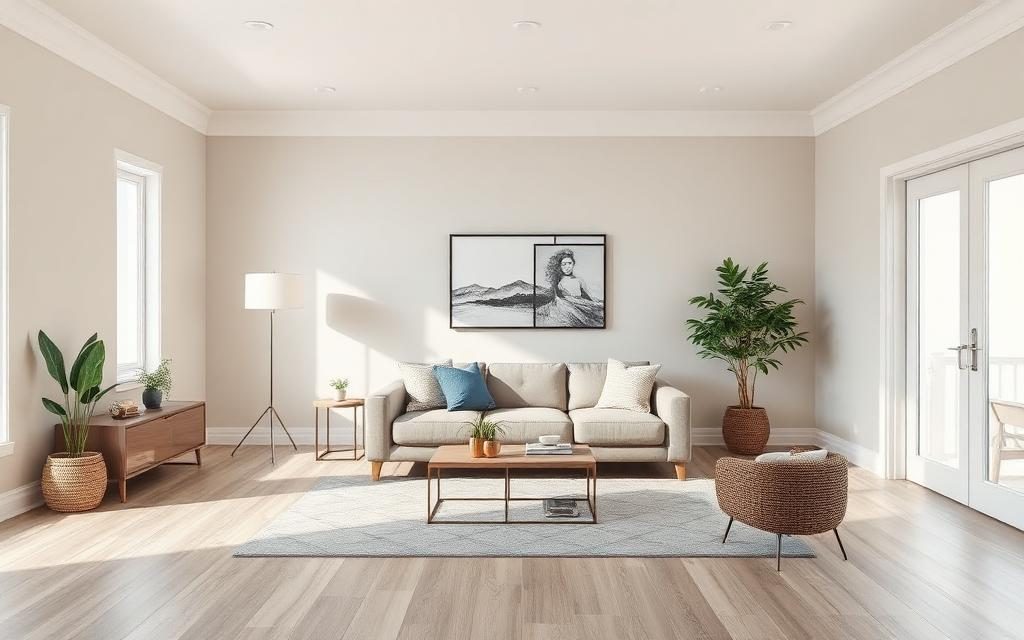
Living rooms move in the opposite direction: cost scales almost linearly with square footage because flooring, paint and furnishing dominate the line items and none of them carry the fixed plumbing or tile labour cost a bathroom does. A 300 square foot living room at retail grade, including new flooring, paint, trim, lighting and furnishing, typically lands between $10,000 and $16,000, most of it driven by flooring choice and furniture grade rather than construction labour.
- Kitchen: driven by cabinetry linear feet and appliance allowance
- Bathroom: driven by tile labour and fixture count, not floor area
- Living room and bedroom: driven by flooring square footage and furnishing grade
- Whole home: driven by the sum of kitchen and bathroom allowances plus flooring and paint
Sequencing Rooms When The Budget Will Not Cover Everything
When a renovation budget cannot cover every room, sequence by which room most limits how the whole property shows or functions. For a resale exit, kitchens and bathrooms are almost always first because buyers and appraisers weight them most heavily, and a dated kitchen can suppress a buyer's perception of an otherwise renovated home. For a personal residence being renovated to live in, the room used daily and causing the most friction, often a kitchen with a broken workflow or a bathroom with a failing shower pan, should move first regardless of resale logic.
For a rental exit, sequence differently again: durability upgrades that reduce turnover maintenance, flooring that survives tenant traffic, updated plumbing fixtures that reduce service calls, often return more in reduced operating cost than a fully renovated living room a tenant will not maintain. This is the same reasoning behind choosing rental grade versus retail grade finishes, matched to how the property will actually be used.
A practical sequencing test: for each room, divide the planning range high figure by how much it improves either sale price or monthly rent, and start with the room that produces the best ratio. This keeps sequencing tied to a number rather than to whichever room feels most urgent while walking through the house.