Turn Budgets That Do Not Vary By Which Tech Showed Up
Inconsistent turn budgets across a portfolio are rarely a pricing problem, they are a specification problem. Without a documented standard, one turn gets granite because the tenant complained, and the next gets laminate because nobody asked. Reality Lock gives you a repeatable finish package to generate against for every unit, so the scope going out for pricing is the same shape every time, whether the unit is a one-bedroom or a four-bedroom.
That repeatability is what makes portfolio-level budgeting possible in the first place. When every turn scope follows the same structure, you can actually compare cost per square foot across units and vendors, instead of comparing numbers that were never built the same way.
Standardizing Finishes Without A Design Meeting Per Unit
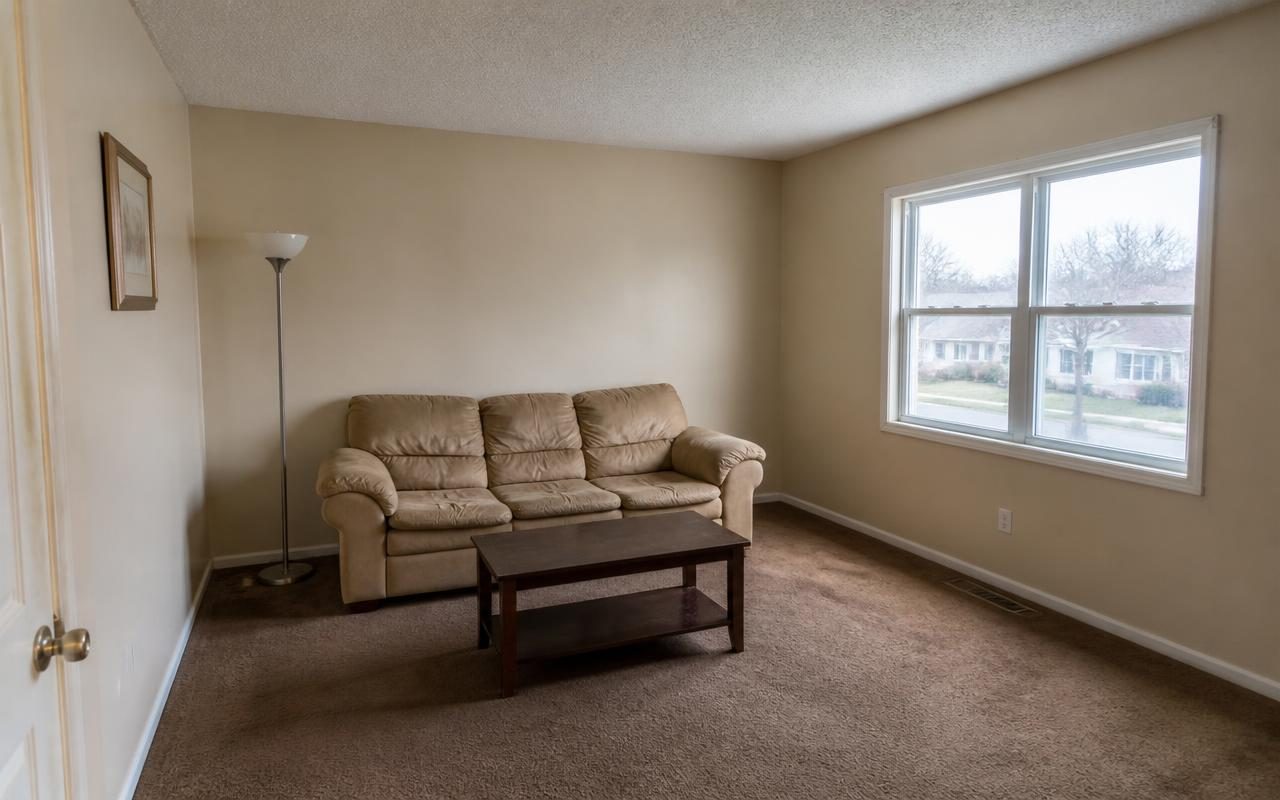
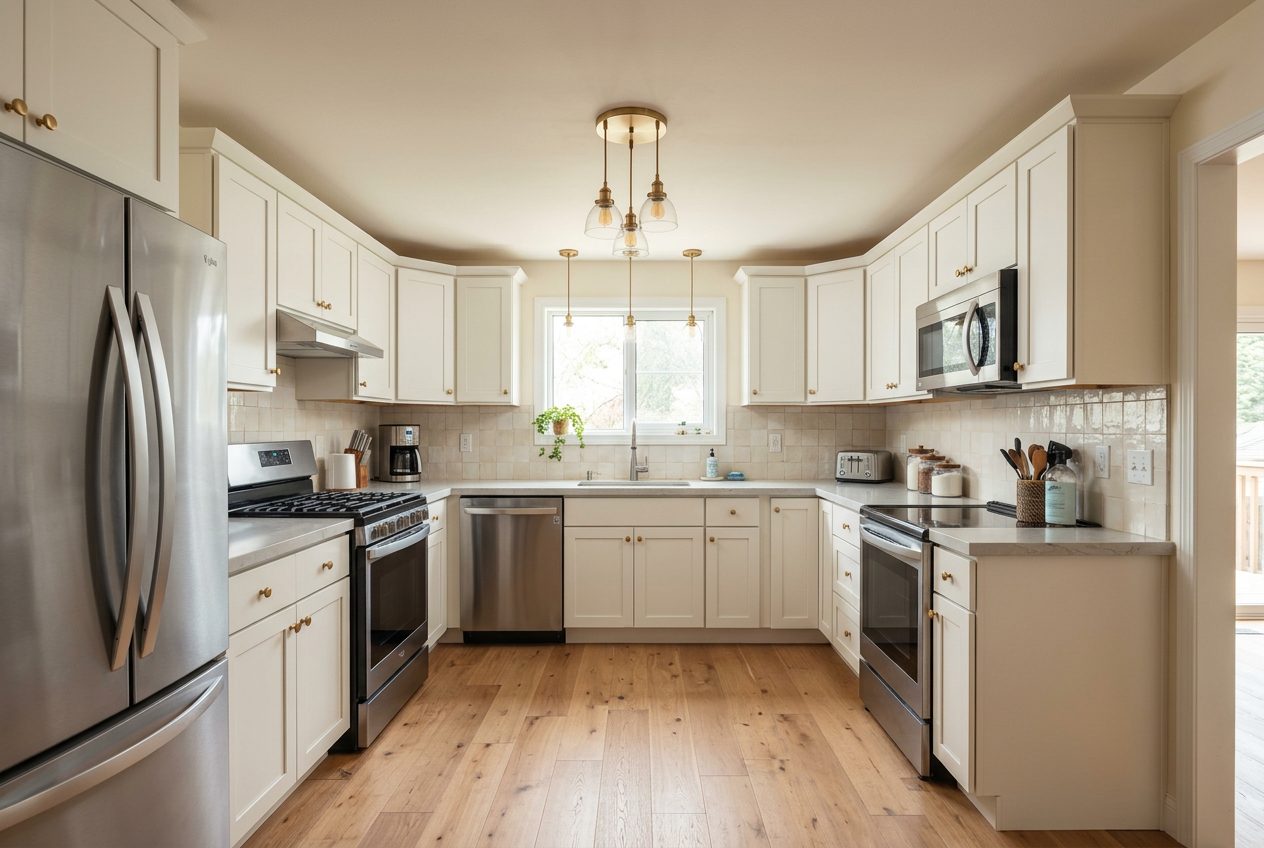
Property managers do not have the time to make a fresh design decision for every vacant unit, and they should not need to. Once a standard finish level is set for a portfolio tier, whether that is a value-tier duplex or a mid-market apartment building, the same finish package can be applied unit after unit, with the photo-based redesign confirming it fits each unit's actual layout rather than assuming a one-size template works everywhere.
This also protects against the slow creep where individual maintenance staff start substituting materials on hand, which is how portfolios end up with inconsistent finishes that complicate future turns and bulk purchasing.
- One finish standard applied across units instead of ad hoc choices
- A consistent scope format for every owner approval request
- Easier bulk purchasing when the same materials repeat across units
Owner Approvals That Do Not Stall On A Missing Number
Owners approve capital work faster when they can see both the condition that justifies it and a planning-range cost in the same document, instead of a phone call describing damage they cannot see. Attaching the move-out condition photos to the scoped turn budget gives owners the context to approve quickly, particularly for owners who are not local and rely entirely on your documentation to make the call.
For larger capital items inside a turn, like a full kitchen replacement rather than a cosmetic refresh, the same documentation supports a capital expenditure conversation that is separate from routine turn costs and easier for an owner to plan for across a fiscal year.
Documenting Condition For Deposit & Liability Disputes
A timestamped photo record at move-out, tied to the generated turn scope, becomes useful well beyond the turn itself. When a security deposit deduction is disputed, having a documented before condition alongside an itemized scope of the work performed gives you a clearer record than a maintenance log entry written after the fact.
This same documentation habit, applied consistently across every unit turn, also builds a longitudinal record of a property's condition over time, which is useful when planning larger capital projects like roof or HVAC replacement cycles across a portfolio.