Vacant Versus Occupied, Two Different Jobs
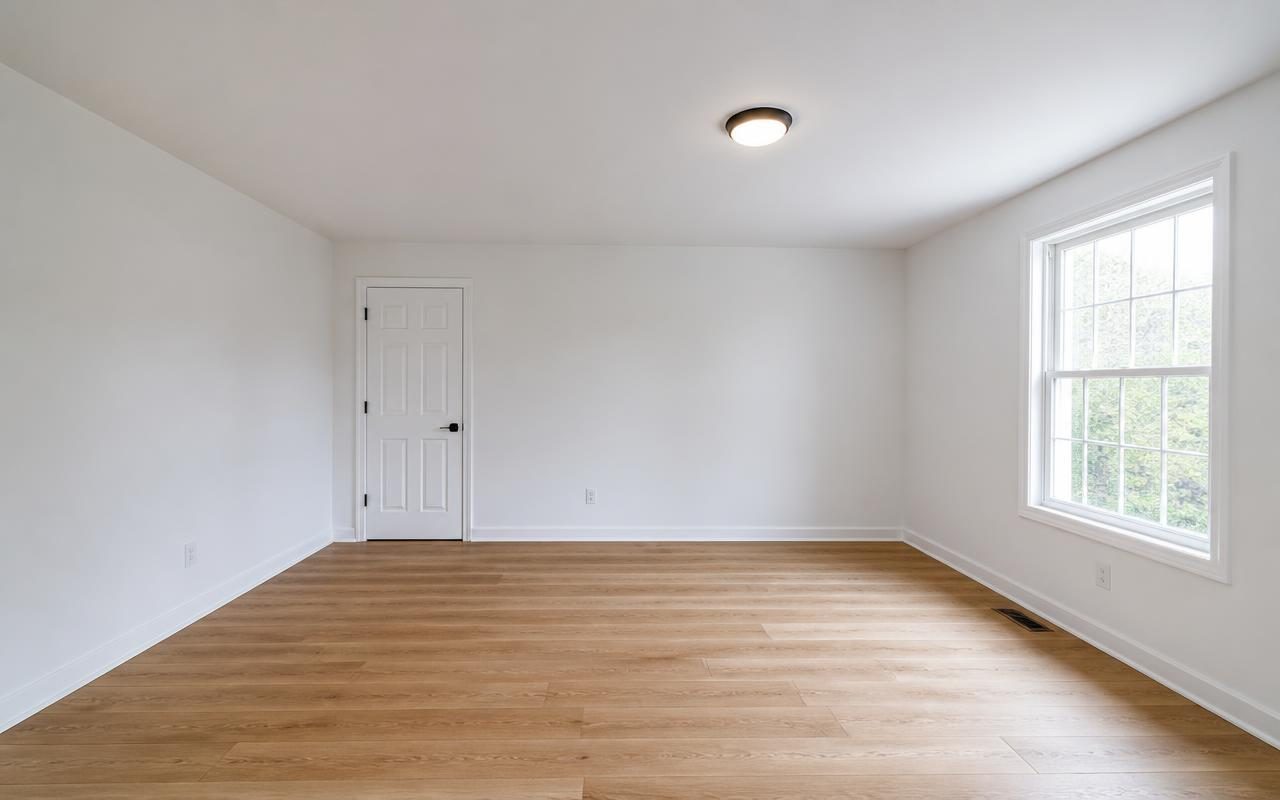
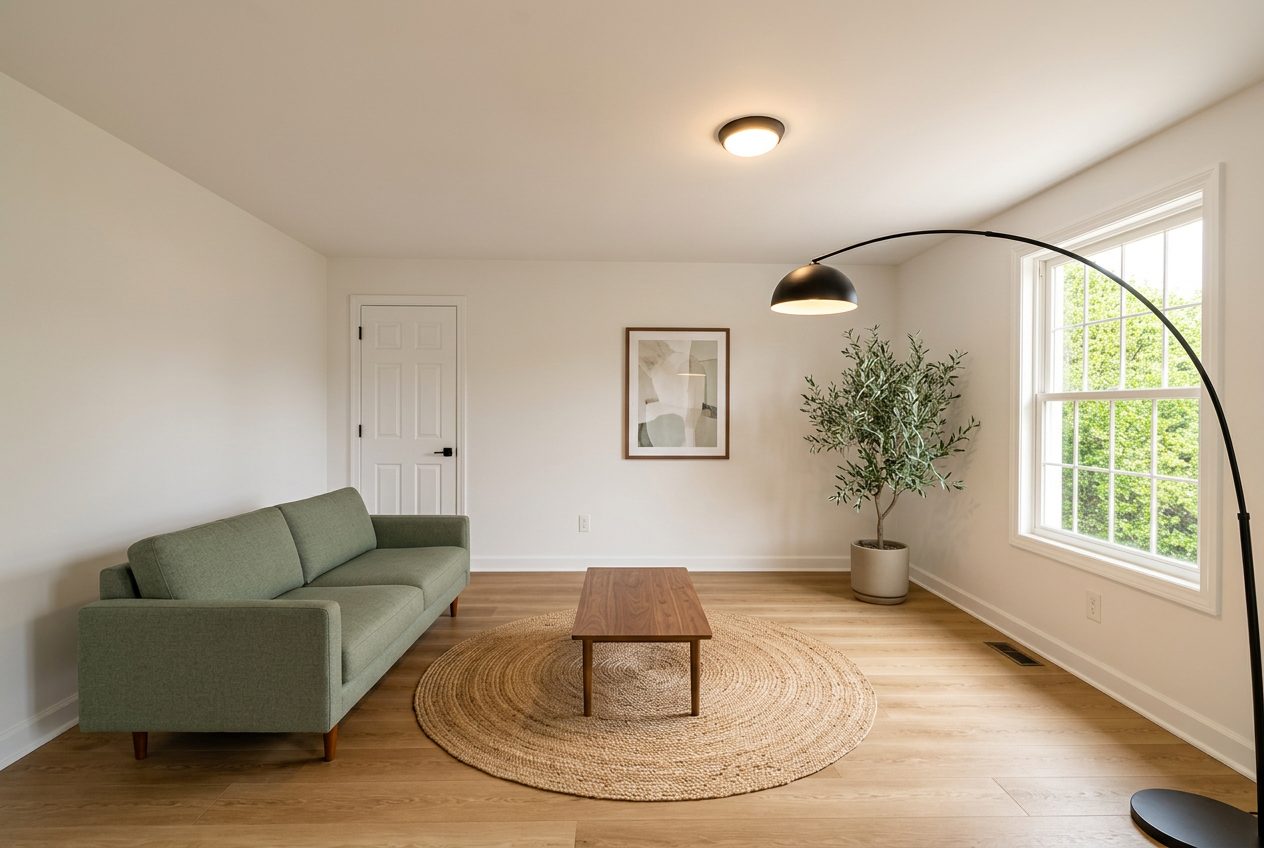
A vacant room is the clean case for virtual staging. There is nothing in the frame to remove first, so the software adds furniture into empty space and the result reads naturally in most listing photos. This is the scenario virtual staging tools were built for and it is where the output looks most convincing to a buyer scrolling listings on a phone.
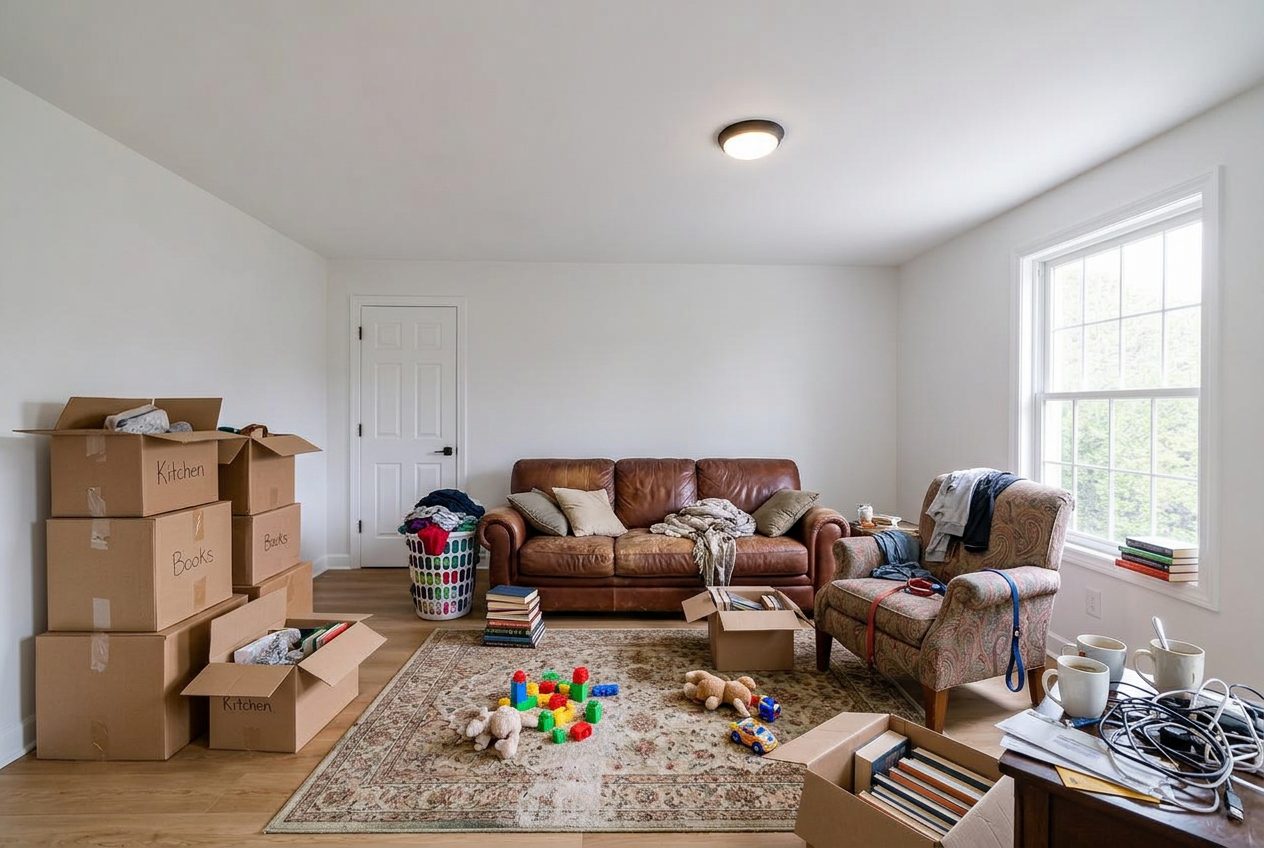
An occupied room is a different job entirely. If the seller still lives there, you are asking the tool to remove existing furniture and clutter before adding new furniture, which is two operations stacked on top of each other. Shadows, reflections, and floor transitions under existing furniture do not always resolve cleanly, and the seams show up more on a large monitor than they do in a thumbnail.
If a room is occupied and cluttered, decluttering it as its own step and reviewing that output before staging on top of it produces a noticeably better final photo than trying to do both in one pass.
What Staging Can Legally Imply & What It Cannot
Virtual staging can show buyers how a room might be furnished. It cannot show anything that misrepresents the physical condition or the fixed features of the property. Adding a sofa and a rug to an empty living room is staging. Removing a visible crack in a wall, changing the flooring material, or showing a fireplace that does not exist is misrepresentation, and boards treat the two very differently.
The safe test most agents use is whether the change could be undone by moving furniture in or out. Furniture, art, rugs and small decor pass that test. Structural elements, finishes, and anything load bearing do not, and a tool with real structure preservation, sometimes called Reality Lock, keeps walls, windows and room dimensions untouched by design.
This matters beyond ethics. A buyer who feels misled by a staged photo after a walkthrough can and does file complaints with the listing board, and repeat violations put an agent's MLS access at risk, not just their reputation.
Cost Per Photo Versus Physical Staging
Physical staging for a three bedroom home typically runs $1,500 to $3,500 for the first month of rental furniture, plus delivery and pickup fees, and that clock keeps running every month the house sits on market. Virtual staging is priced per photo, generally $15 to $50 depending on room type and revisions, with no ongoing monthly cost regardless of how long the listing sits.
The tradeoff is that virtual staging only exists in the photo. A buyer who walks through the actual vacant house sees an empty room, which can create a gap between the online impression and the in-person showing. Agents in fast moving markets often accept that gap because most offers happen after online interest is already built. Agents in slower markets sometimes still budget for light physical staging in the entry and living room even while using virtual staging for the rest.
The Disclosure Caption Is Not Optional
Every major MLS system and most state real estate license laws require a visible label on any photo that has been virtually staged, typically the words 'virtually staged' printed on the image itself, not buried in the listing description. Some boards specify placement, font size, or exact wording, and a listing photo missing the required caption can be pulled from the MLS feed until it is corrected.
The practical fix is to treat the disclosure as part of the export step, not an afterthought added later in a photo editor. When the caption is applied automatically at export time, every staged photo leaves the workflow already compliant, and there is no batch of forty photos to go back and manually label before a Friday listing deadline.