Deal Speed Without Skipping The Math
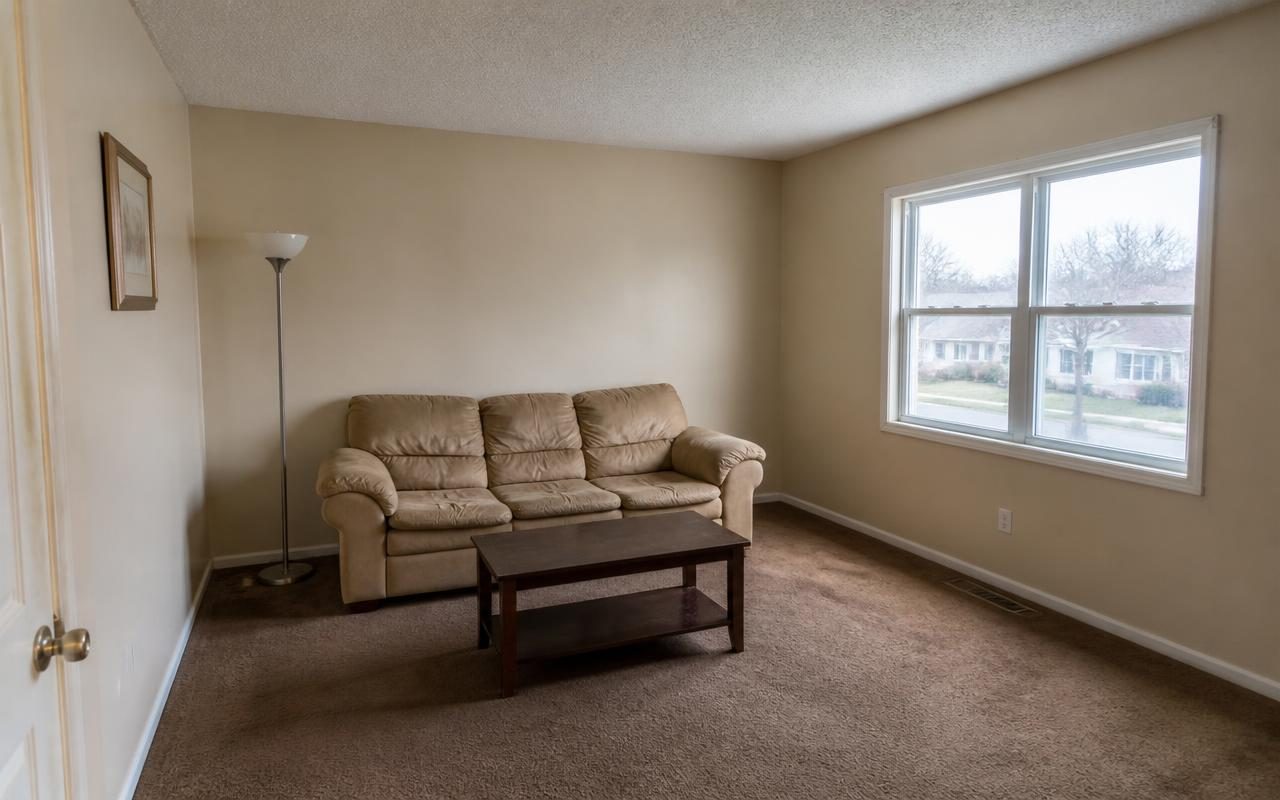
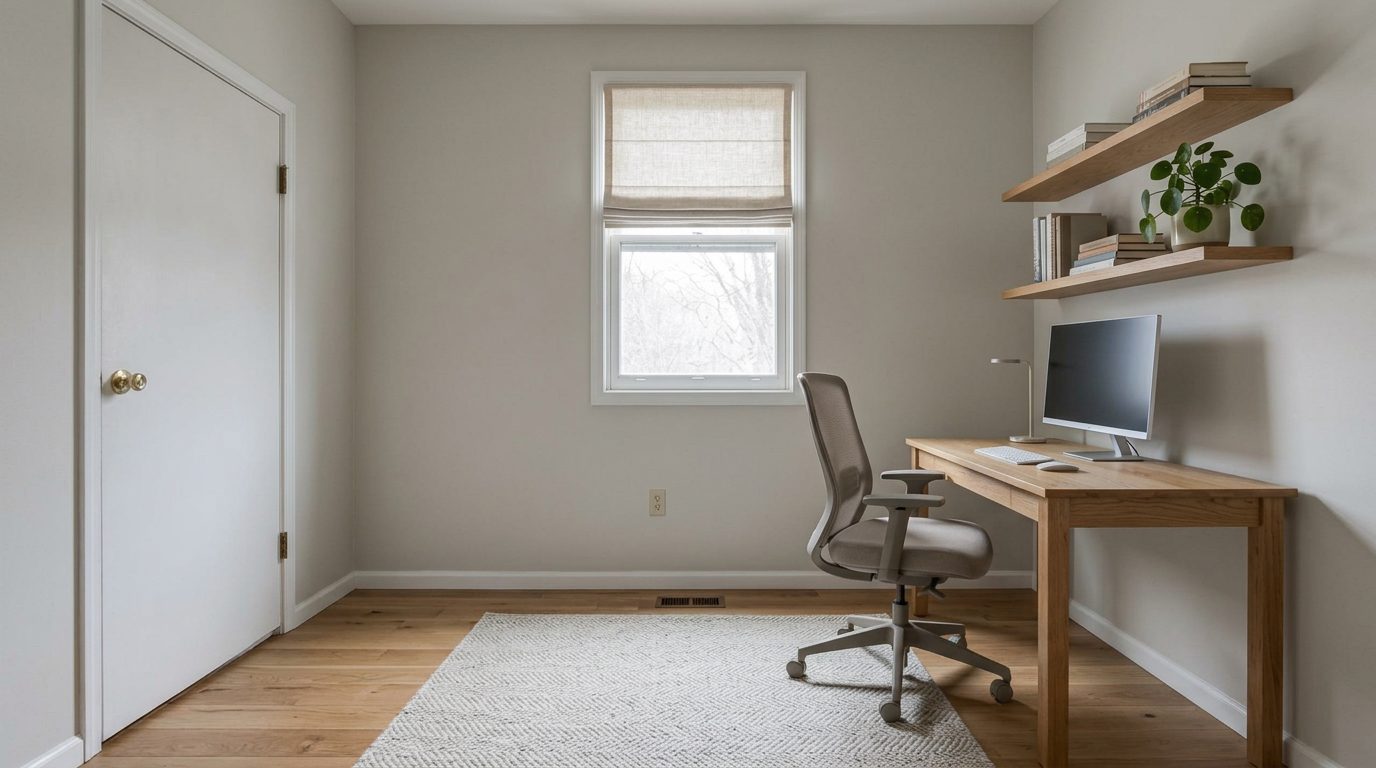
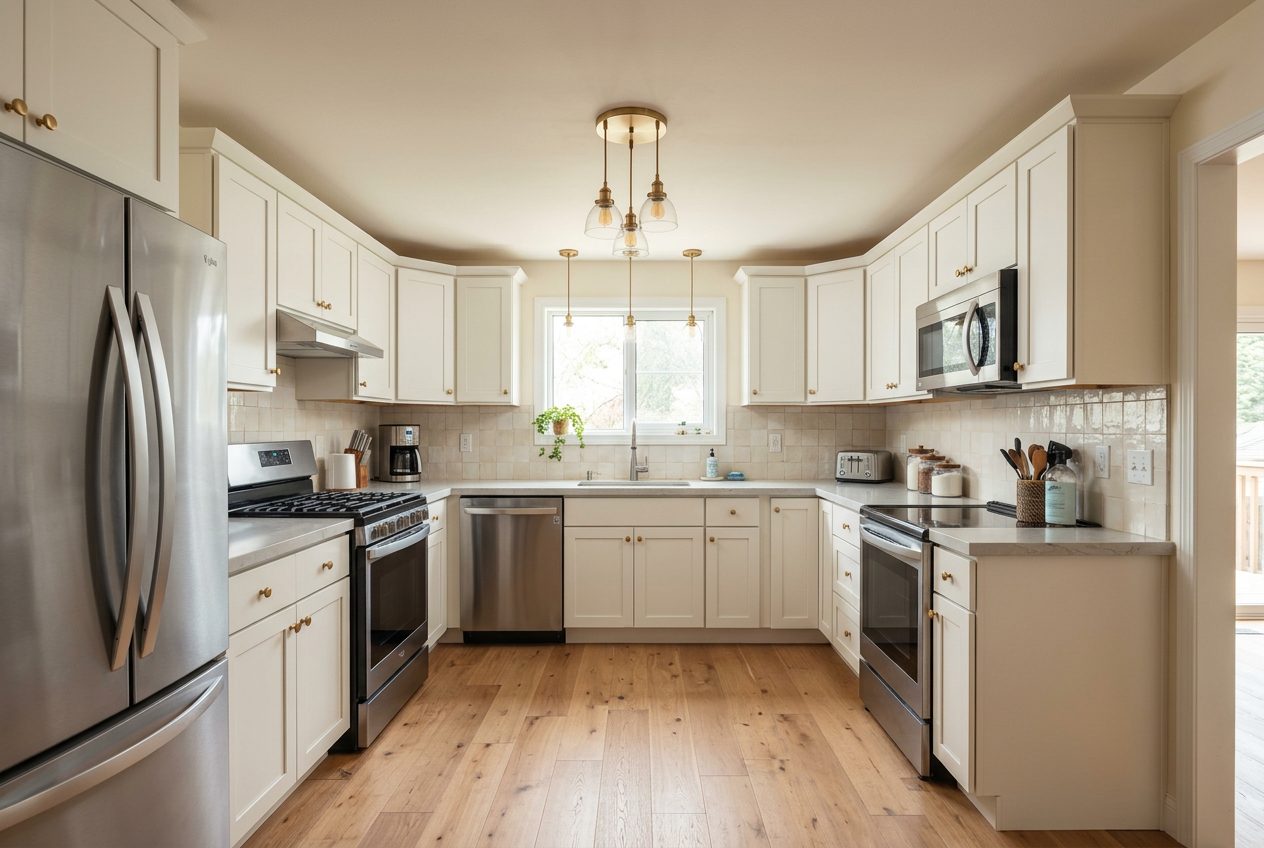
Most flip offers are lost or won in the first 48 hours, which is exactly the window where a full contractor walk-through is not available. Reality Lock lets you generate a finish-level redesign and a priced scope from listing photos alone, so the rehab budget you plug into your offer worksheet is grounded in an actual quantity take-off rather than a rule of thumb per square foot.
That speed matters most on competitive listings where three other investors are bidding blind on repair costs. Being the offer with a defensible number, even a planning-stage number, changes how sellers and agents read your bid.
Rehab Budget Before You Own The House
The riskiest number in any flip is the rehab estimate baked into the offer, because it is made with the least information you will ever have about the property. Reality Lock does not replace an inspection, but it gives you a structured, line-itemed starting range broken out by trade, so a bad guess on flooring or cabinetry does not quietly eat your margin.
Because the scope carries quantities and trade categories, you can stress-test the number against your own historical cost-per-square-foot data before you finalize an offer price, and adjust for markets where labor runs above or below the national averages baked into the planning range.
ARV Discipline, Not Wishful Thinking
It is easy to justify an over-improved kitchen when you are standing in a dated house imagining the after photos. Reality Lock forces a decision at the front end, retail grade or rental grade, tied to the target price point for the exit, so the redesign it generates does not drift above what the neighborhood comps will support.
That discipline shows up most on marginal deals, the ones where a $12,000 overspend on finishes is the difference between a profitable flip and a break-even one. Locking the finish level to the ARV target before you spend a dollar keeps the scope honest.
- Retail grade for neighborhoods with comps above your acquisition price
- Rental grade when the exit is a buy-and-hold instead of a resale
- A documented reason for every finish choice, not a gut call on site
Rental Grade Versus Retail Grade, Decided Early
Flippers who also hold rentals face a decision on every property before the rehab starts: sell it or rent it. The finish level that maximizes resale price is usually not the finish level that maximizes rental durability, and switching mid-project wastes money either direction.
Reality Lock generates both versions of the same room so you can compare a retail kitchen against a rental kitchen side by side, with separate scoped budgets for each, before the crew shows up. That comparison alone has talked more than one investor out of an over-improved rental unit.
Comparing Contractor Bids Against A Fixed Scope
The single biggest source of change orders on a flip is an incomplete scope handed to a contractor verbally. When three contractors bid the same job off three different mental pictures of the finish level, the bids are not comparable and the lowest one is usually the one who left something out.
Because the scope document generated alongside the design lists quantities, trades and a planning range for each line item, you can hand the identical document to every bidding contractor and compare their numbers against the same baseline, and against each other, instead of against three different assumptions about what 'updated kitchen' means.