Winning The Listing Presentation
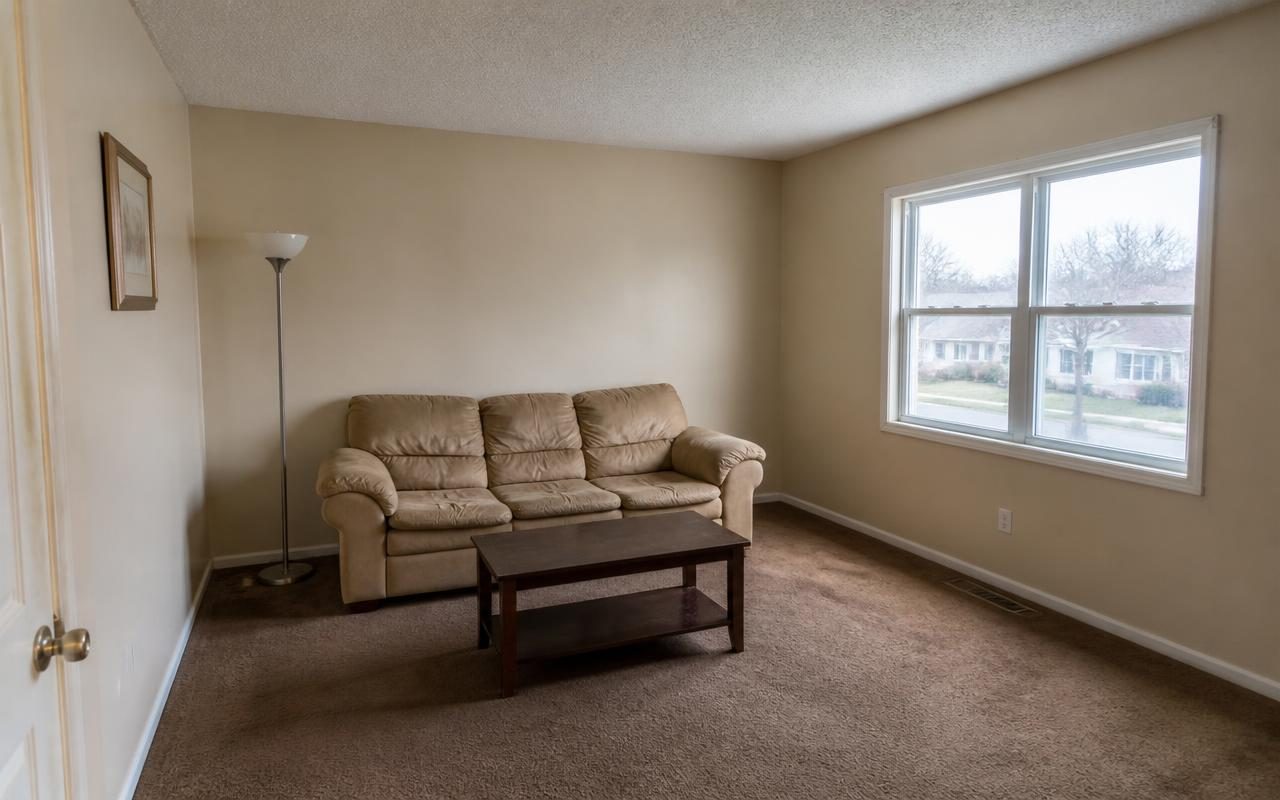
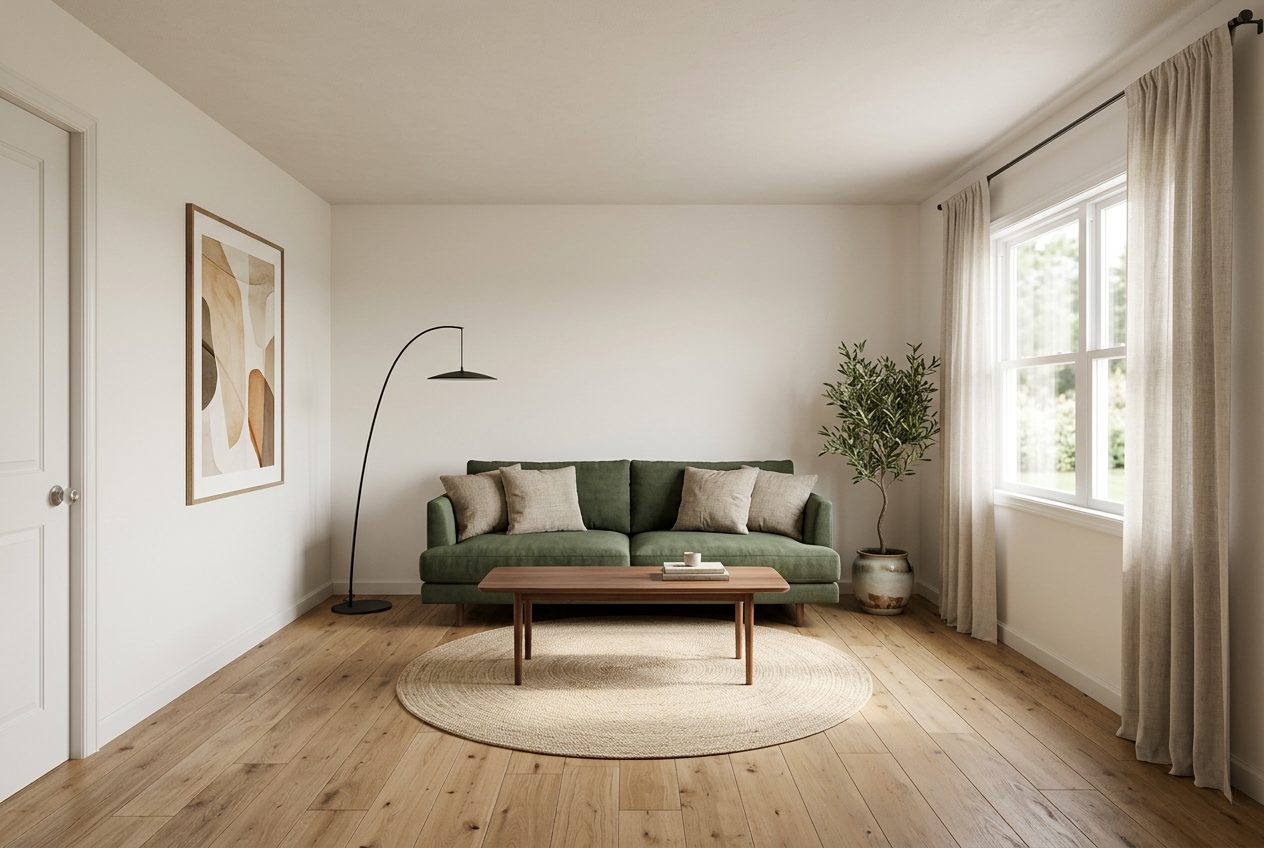
Sellers hire the agent who makes the decision easiest, and the pre-list improvement question is usually where a listing presentation either builds trust or loses it. Walking in with a generic recommendation to 'freshen up the paint' carries far less weight than showing the seller their own living room, refreshed, next to the current photo, with a cost range attached to that specific work.
This also gives you a defensible answer when a seller pushes back on a recommendation. Instead of a subjective opinion about what buyers want, you have a visual comparison and a planning-range cost they can weigh against their own numbers before they decide what, if anything, to do before listing.
Showing The Return On A Refresh, Not Just The Look
Sellers rarely object to the idea of a refresh, they object to spending money without knowing what it buys them. Pairing the refreshed image with a scoped cost range reframes the conversation from 'should we paint' to 'is this specific $2,000 refresh worth doing before we list,' which is a decision most sellers can actually make.
Because the scope is broken into line items, a seller who wants to do the paint but skip the carpet replacement can see what that partial refresh costs on its own, rather than treating the whole recommendation as a single take-it-or-leave-it number.
Staging With Disclosure, Not Guesswork About The Rules
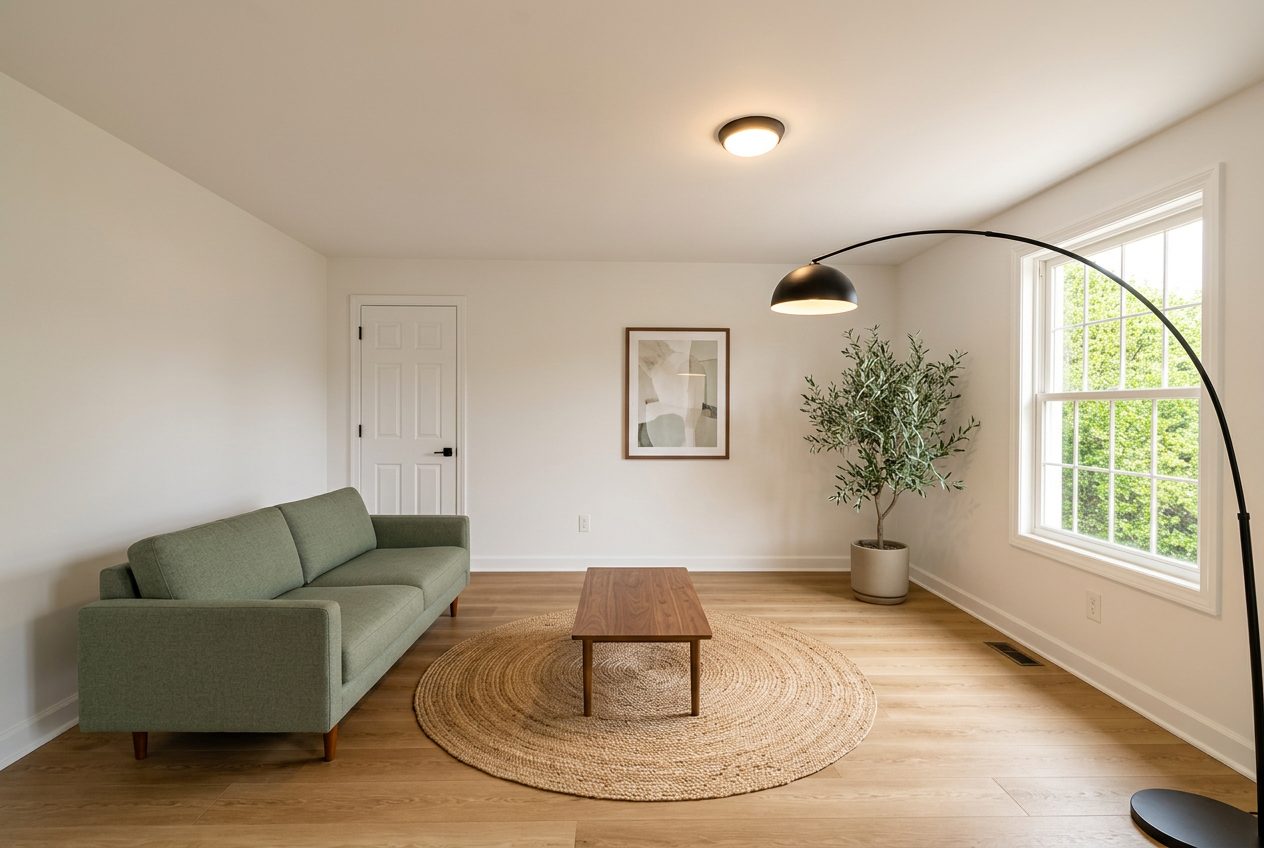
Virtual staging rules differ by MLS and by state real estate commission, and getting the disclosure wrong on a listing photo can create real liability for both the agent and the brokerage. Every image Reality Lock generates for a vacant or furnished room carries a disclosure caption automatically, so the compliance step is not something you have to remember to add manually to each photo before upload.
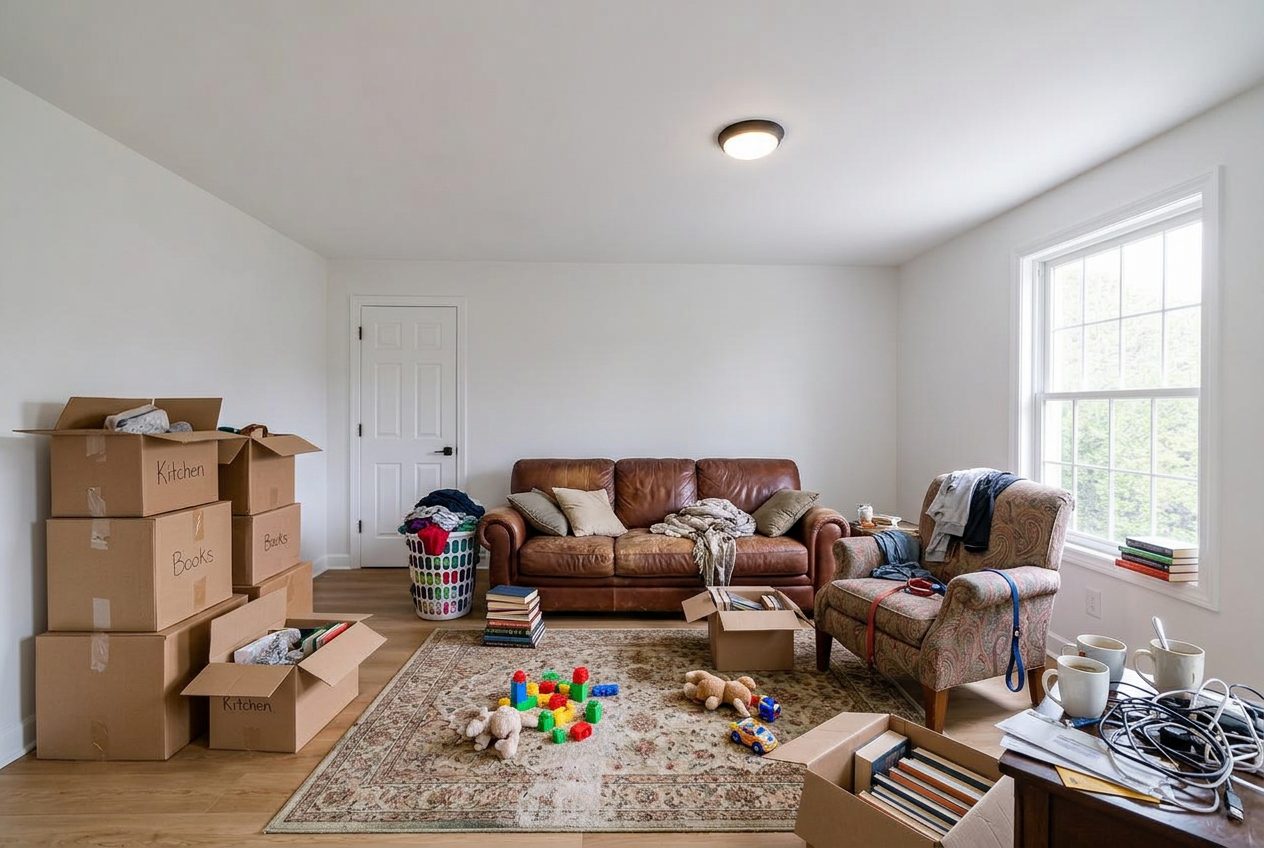
This matters as much for a light furniture rearrangement as it does for a fully staged vacant home, because the line between the two is exactly where agents most often get the disclosure requirement wrong.
- Disclosure labeling attached at export, not added manually after the fact
- Consistent labeling across every photo in a listing, reducing per-photo judgment calls
- A record of what was staged versus photographed as-is
Helping Buyers See Past A Dated House
On the buy side, the houses that sit longest are often the ones with good bones and bad finishes, where buyers cannot mentally get past the wallpaper or the popcorn ceiling to see the layout underneath. Showing a buyer client a redesigned version of the same room, still built on the home's real walls and windows, can be the difference between a client walking away from a house with real potential and one who can picture living in it.
This is particularly useful with first-time buyers, who often lack the experience to visualize a renovation from a verbal description and default to rejecting any house that needs cosmetic work, even when the underlying layout and price make it the better deal.