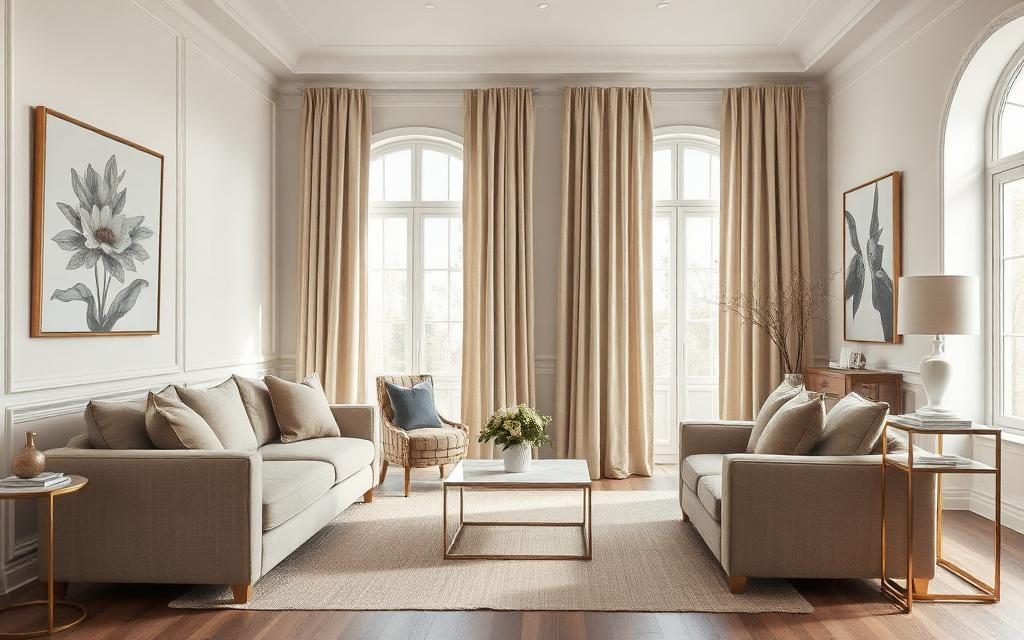
Durability Changes The Math Compared To A Personal Home
Furnishing a rental is not the same budgeting exercise as furnishing a home you live in, because every piece has to survive dozens or hundreds of guest turnovers a year without looking worn in photos. That pushes spend toward performance fabrics, sealed wood finishes and rugs rated for high traffic, which often cost 15 to 25 percent more upfront than the cheapest comparable piece but avoid the replacement cycle that eats into margin within the first year.
Hosts who furnish with the lowest cost option per piece frequently end up replacing sofas, rugs and light fixtures within 12 to 18 months as wear shows up in new listing photos and guest reviews start mentioning tired furniture. Budgeting for durable materials from the start is usually cheaper over a two year horizon than repeatedly replacing budget pieces.
A Distinct Design Point Of View Drives Bookings
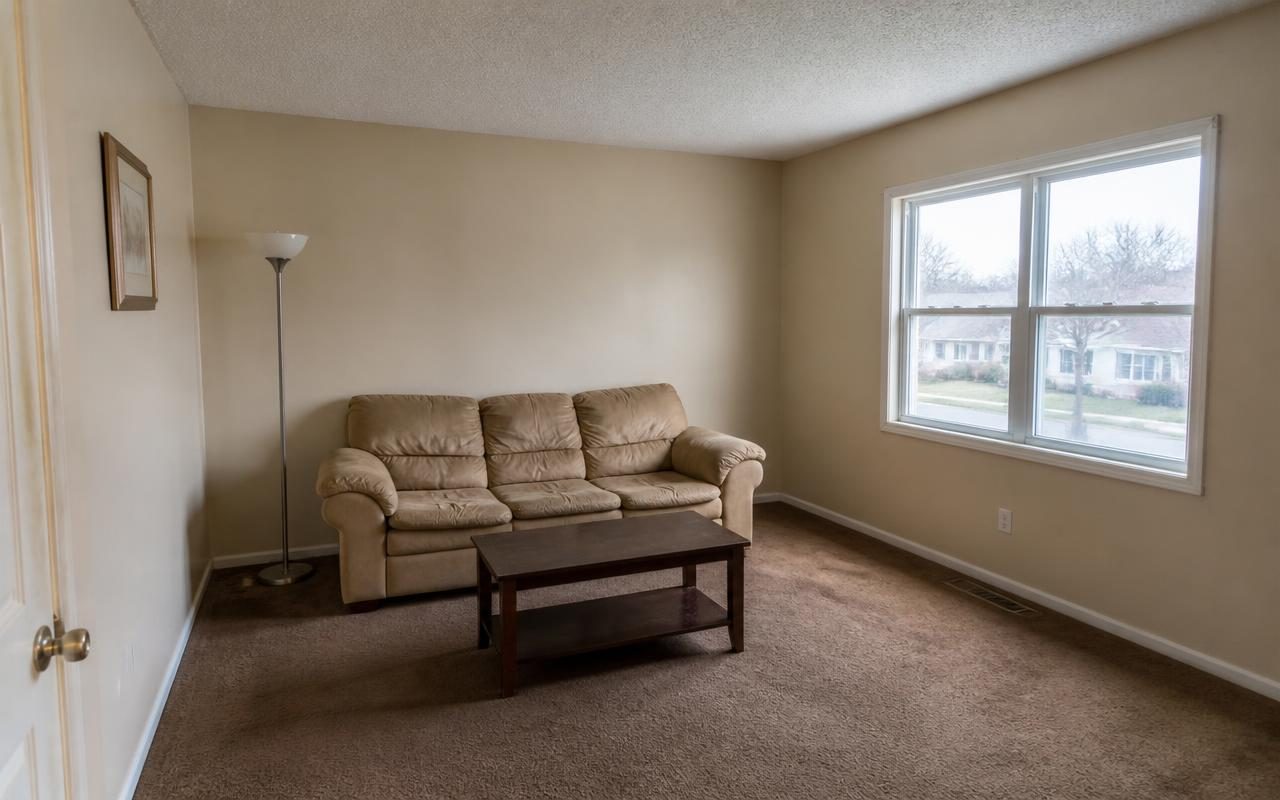
Short term rental platforms are saturated with generically furnished units, a beige sofa, a stock coffee table, minimal decor, and those listings blend together in a search results grid. A unit with a clear design point of view, a specific color palette, a few statement pieces, cohesive styling, stands out in thumbnail images before a guest even opens the listing, which is where most booking decisions start.
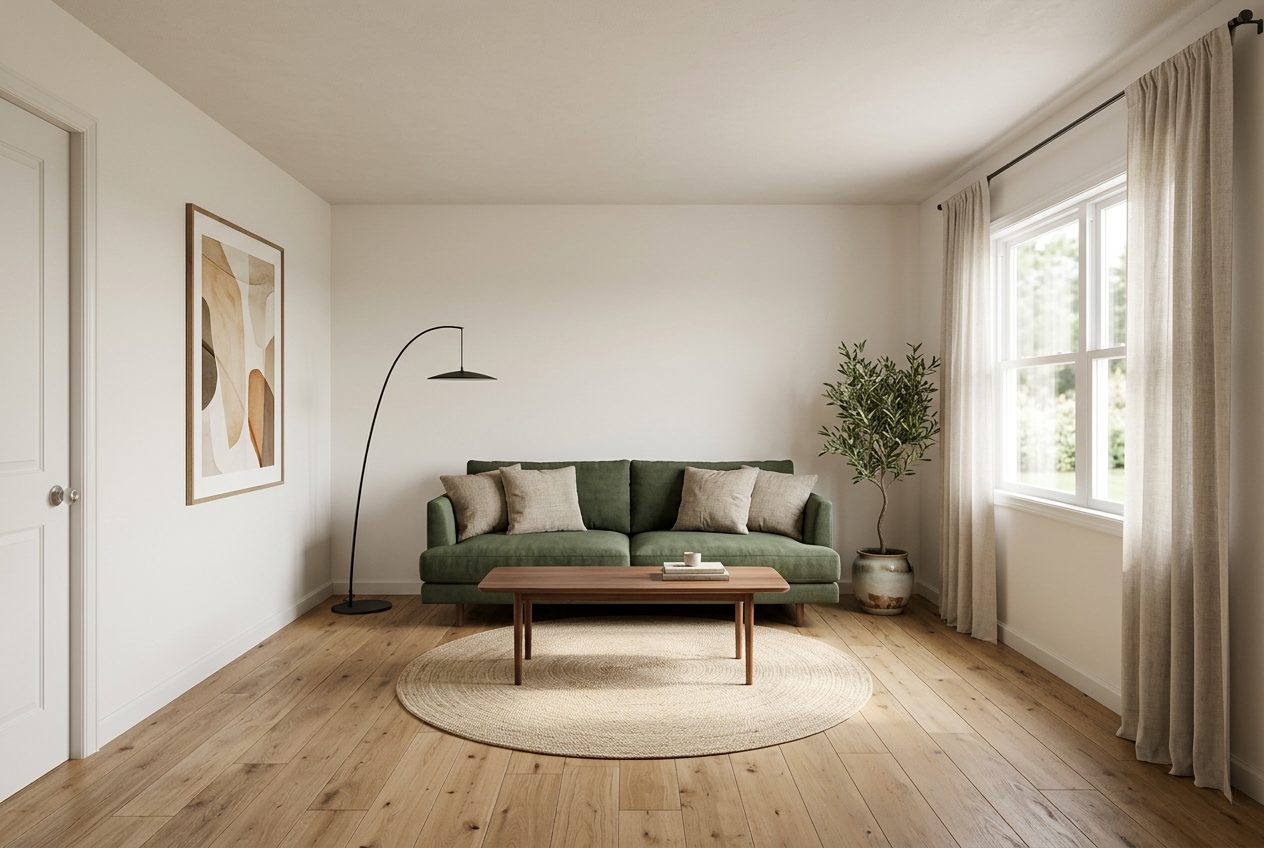
This does not require a full renovation budget. A $1,200 to $3,000 refresh, new textiles, art, lighting and one or two statement pieces layered onto existing furniture, can meaningfully change how a listing photographs without touching the sofa or the layout at all. AI interior design is particularly useful here because it lets a host test several style directions against the actual room before spending on any of them.
- Full furnish from empty: $4,000 to $9,000 for a living room
- Photo refresh of an already furnished unit: $1,200 to $3,000
- Statement pieces and lighting drive more photo impact per dollar than base furniture
Photography Requirements Should Shape The Design
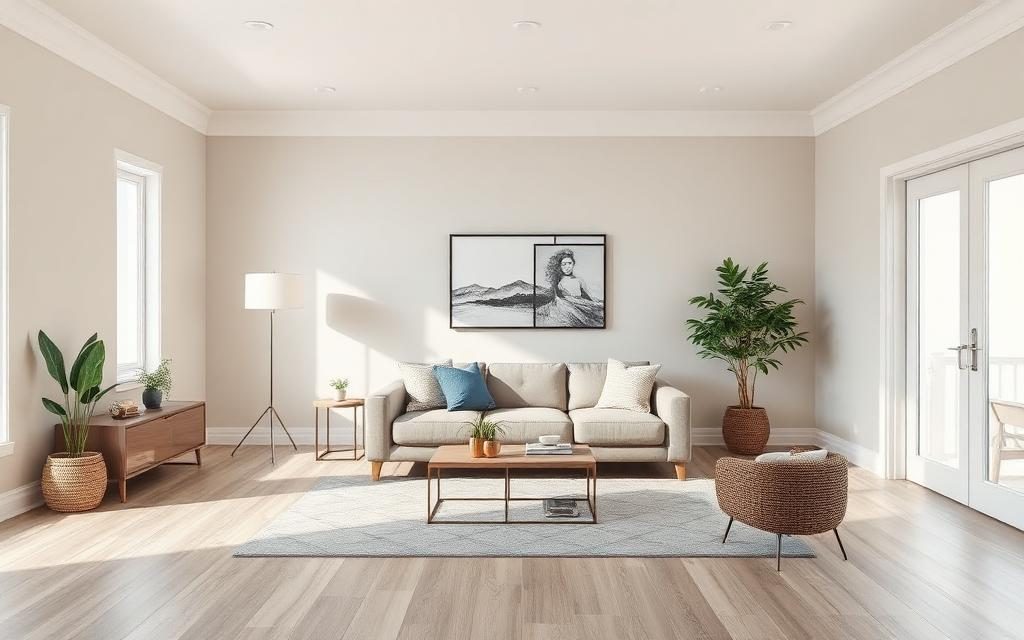
Because the listing photos do most of the selling, an Airbnb interior should be designed with the camera in mind, not just in-person comfort. That means favoring furniture arrangements that photograph well in wide shots, avoiding clutter that reads as visual noise in a small frame, and choosing a color palette with enough contrast to look intentional in a thumbnail rather than washed out.
Natural light matters more here than in a typical home design brief, since most listing photos are shot during the day and a room that reads dim in photos underperforms regardless of how nice the furniture actually is. Testing a design against the actual room's window placement and light levels before committing to a palette avoids the common mistake of choosing dark, moody colors that photograph poorly in a north-facing room.
Budgeting Across Multiple Units
Hosts with more than one unit generally save by standardizing a design kit, a repeatable palette, furniture line and decor sourcing list, rather than designing each unit from scratch. This can cut per-unit design and sourcing time significantly while still allowing small variations, different art or accent colors, so units in the same portfolio do not look identical to repeat guests.
A standardized kit also simplifies replacement budgeting, since a host restocking a worn rug or sofa across five units at once typically gets better per-unit pricing than reordering one-off replacements as each unit wears out on its own schedule.