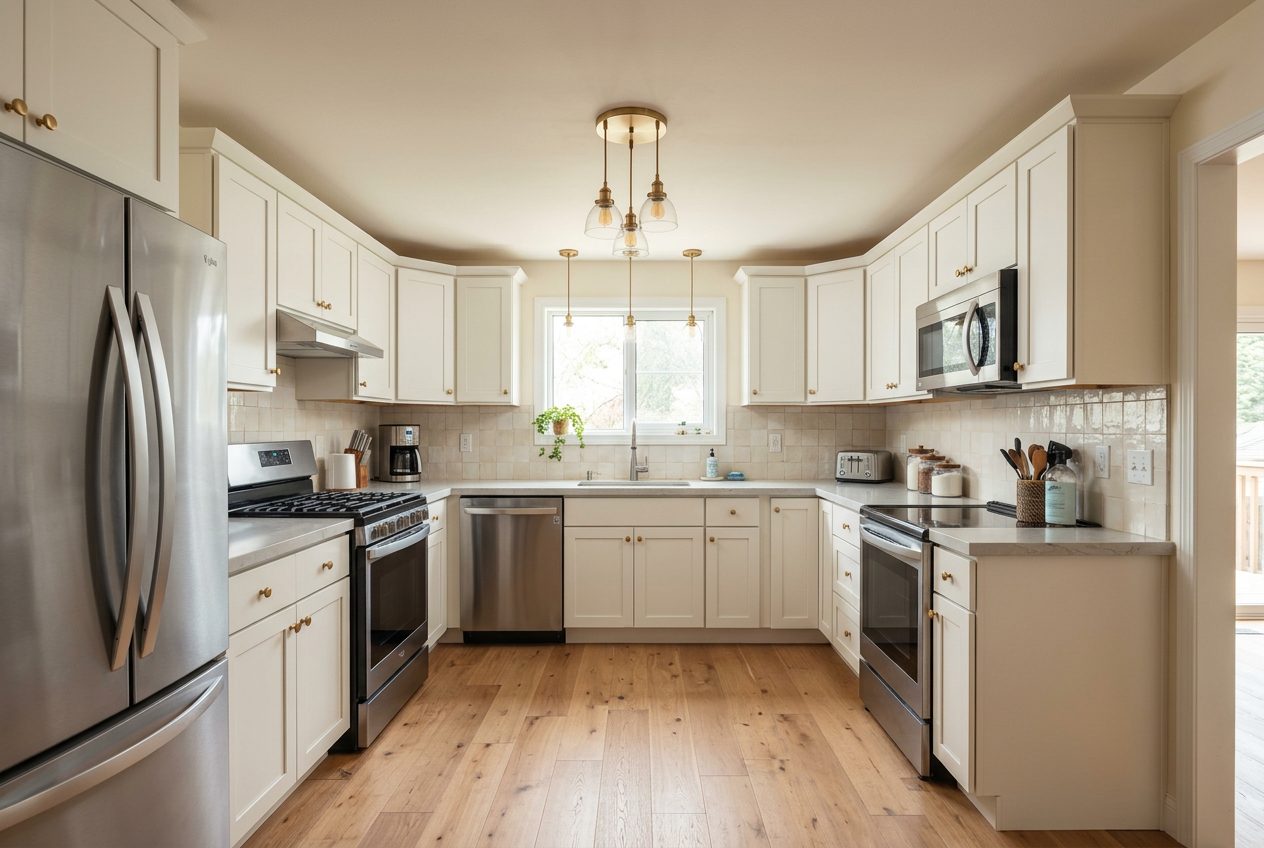
Why Physical Staging Costs So Much More
Physical staging cost is driven by logistics, not just furniture. A stager has to own or lease a warehouse of inventory, pay for a moving truck and crew to deliver and arrange each piece, and then repeat that process in reverse when the home sells or the listing expires. That labor and logistics overhead is why a living room package that might cost $2,000 to buy outright rents for $300 to $900 a month, the stager is pricing in reuse across dozens of listings plus the delivery cost.
The monthly rental structure also means physical staging cost is not fixed, it is a clock. A home that sits on the market for four months instead of the expected two roughly doubles the staging line item, which is a real risk in a slower market or at a price point that is taking longer to move. Sellers budgeting for staging should plan for the higher end of the range if there is any chance the listing sits past the first showing window.
What Virtual Staging Actually Replaces & What It Does Not
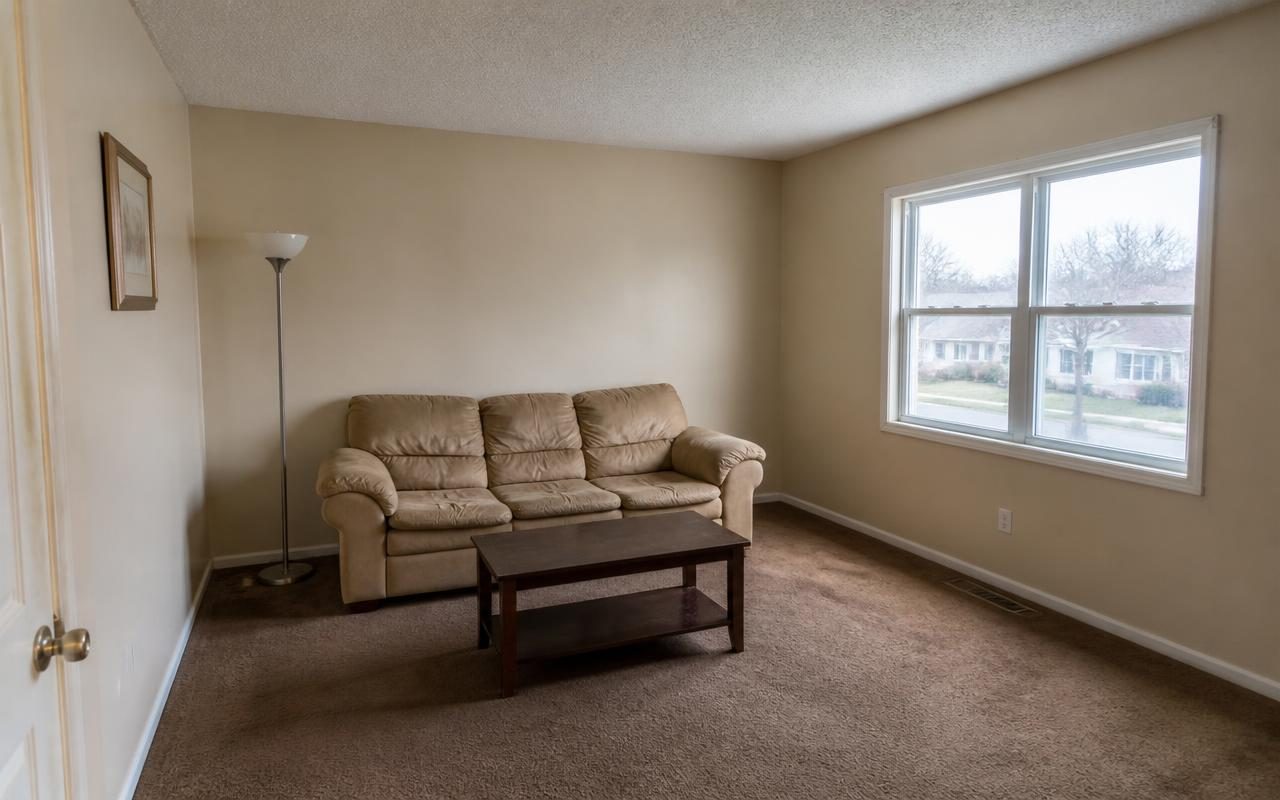
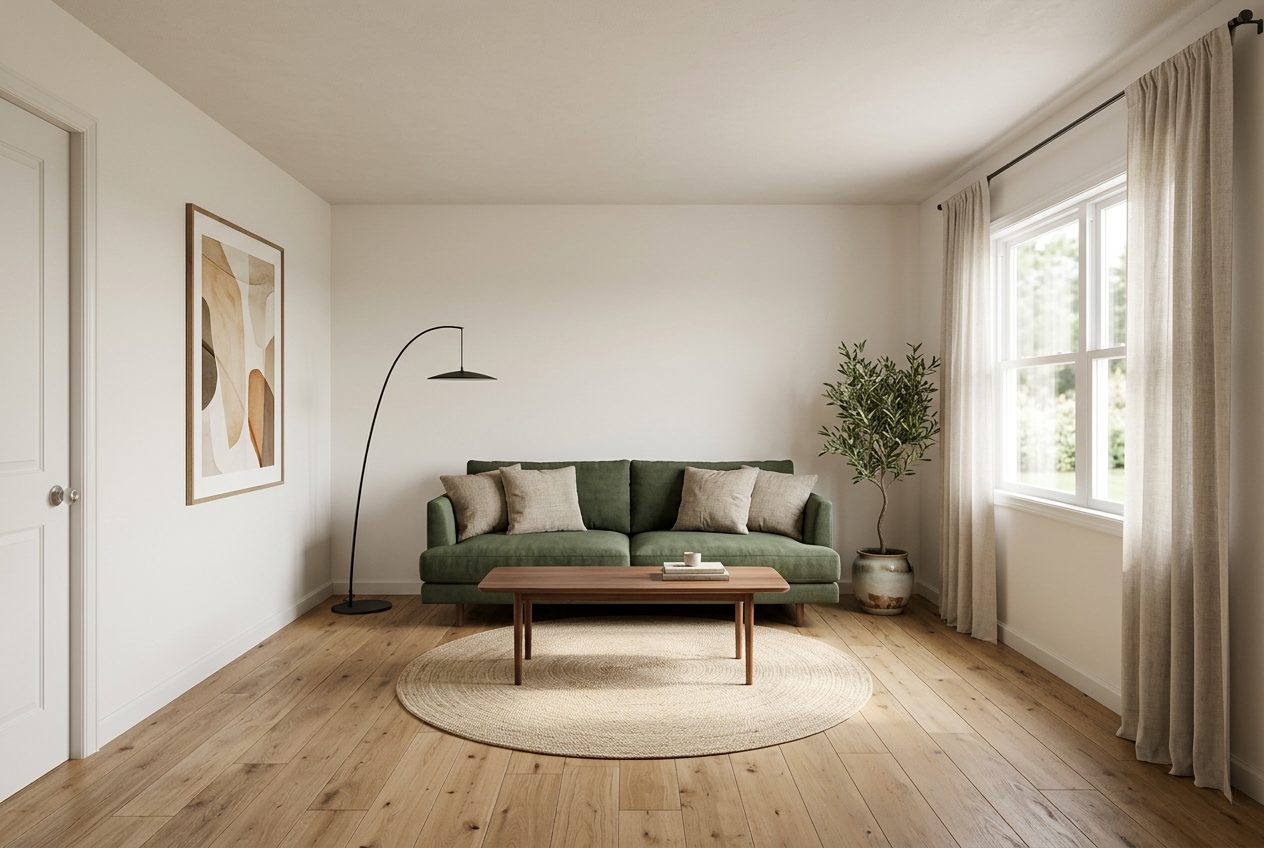
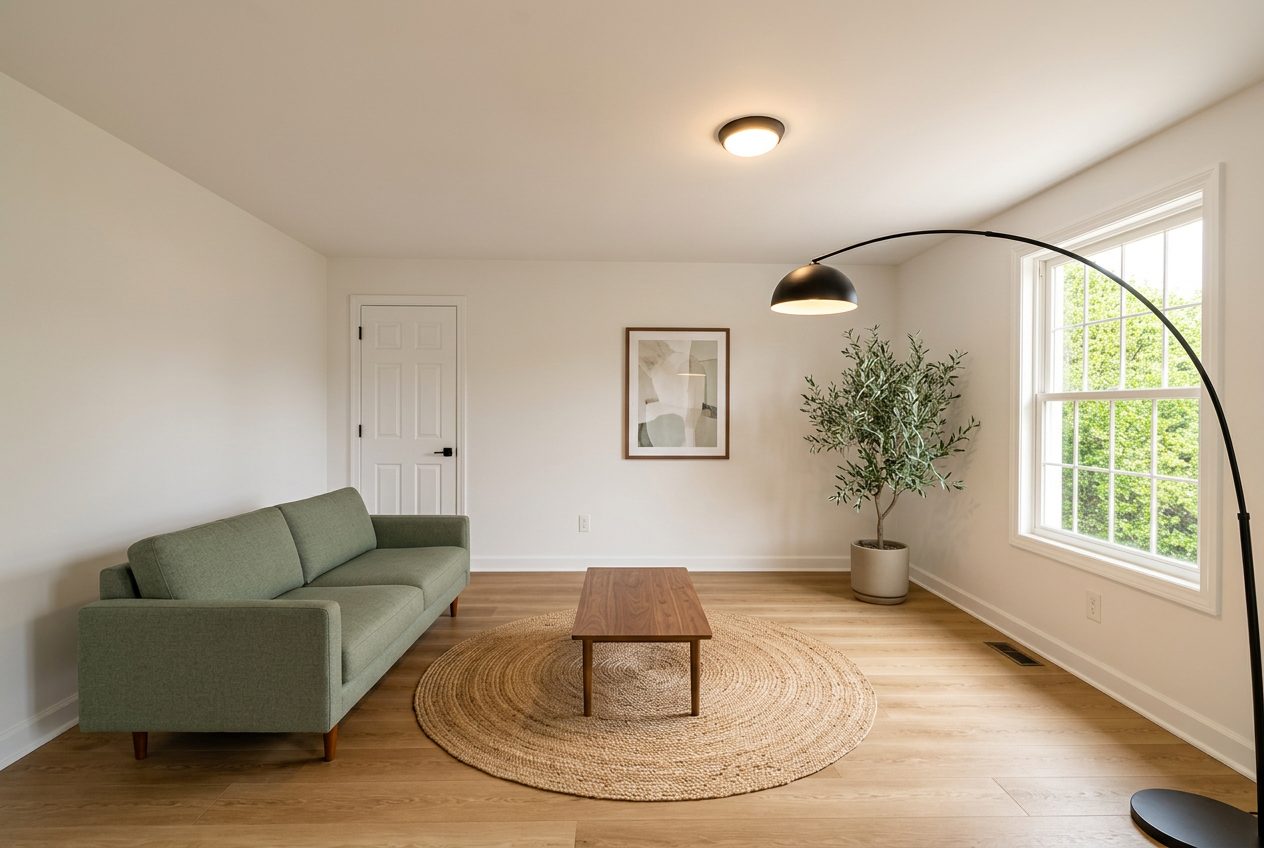
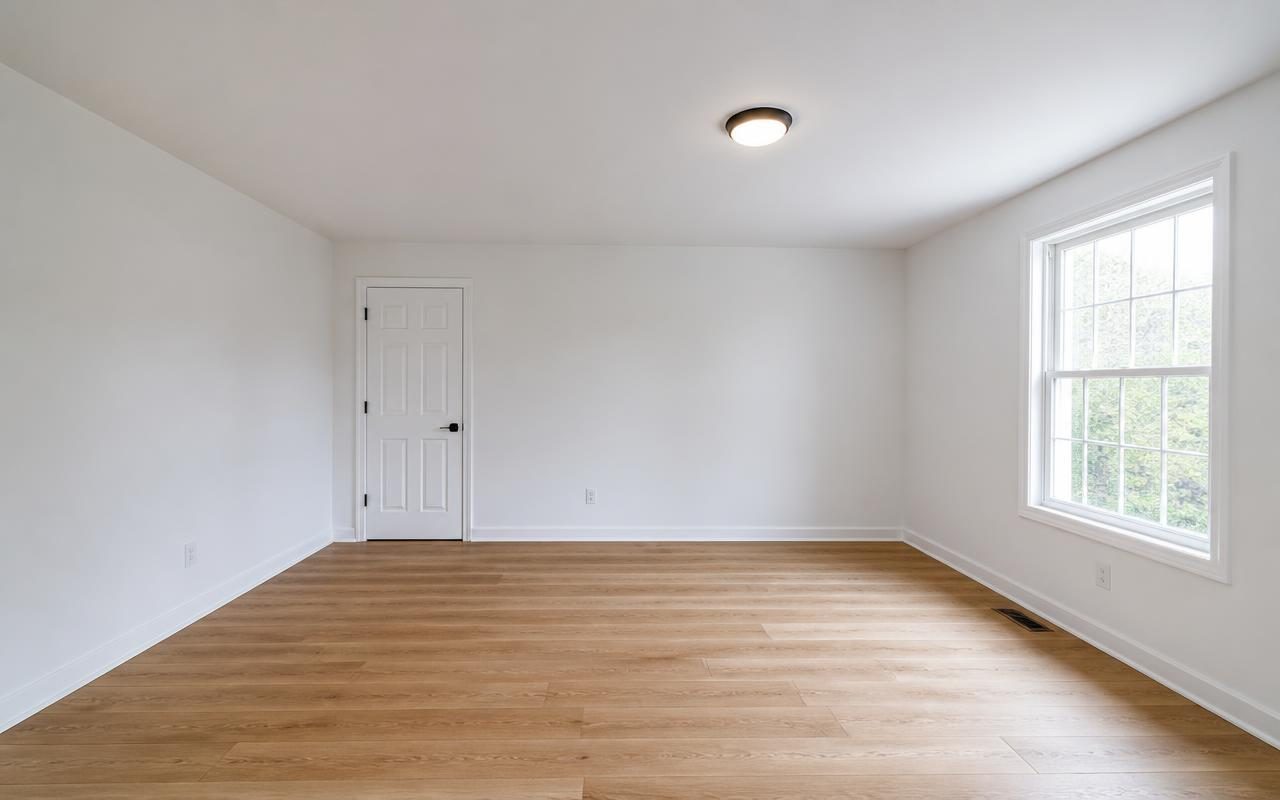
Virtual staging replaces the photography problem, an empty room photographs as smaller and less inviting than a furnished one, and buyers scrolling listings online form their first impression entirely from photos. At $20 to $75 per photo, virtual staging solves that problem for a fraction of physical staging cost and with none of the delivery or removal logistics.
What virtual staging does not replace is the in person showing experience. A buyer who tours a home staged only in photos will walk into an empty room, and agents report that the gap between the staged photo and the empty reality can undercut buyer confidence if it is not managed with clear expectations. Virtual staging works best for listings where online photos drive the bulk of interest and in person traffic is being filtered by the photos first.
- Virtual staging: photos only, no impact on in person showings
- Physical staging: affects both photos and in person walkthroughs
- Most sellers weigh listing price point and expected days on market before choosing
When Physical Staging Is Worth The Higher Cost
Physical staging tends to earn its cost back on higher end listings, generally above $500,000, where buyers expect a fully finished showing experience and the staging cost is a small percentage of the sale price. It also matters more for homes with awkward room proportions or unusual layouts, where furniture placement genuinely helps a buyer understand how the space works in a way a photo alone cannot fully convey.
For lower and mid price point listings, or listings in fast moving markets where homes are going under contract in days rather than weeks, the monthly rental cost of physical staging often does not have time to pay for itself before the home sells, and virtual staging captures most of the marketing benefit at a much lower cost.
Disclosure Rules Are Part Of The Real Cost Comparison
Virtual staging is not free of compliance considerations. Most MLS systems and state real estate boards require a disclosure, often a visible watermark or a note in the listing remarks, stating that a photo has been virtually staged. Skipping this step can create liability for the agent and the brokerage, so any true cost comparison has to include the time to add and verify that disclosure on every staged photo before it goes live.
Physical staging carries no such disclosure requirement because what the buyer sees in the photo matches what they will see at the showing. That difference does not change the cost math dramatically, but it is a real process step that virtual staging adds and that some agents underestimate when comparing the two options purely on price.