Kitchen Cost

What A Kitchen Remodel Actually Costs

The same word, kitchen remodel, describes a $9,000 refresh and an $85,000 gut job. Here is how to tell which one you are actually pricing.

Ask five people what a kitchen remodel costs and you get five wildly different numbers, because the phrase covers three different jobs. A cosmetic refresh on a 180 square foot kitchen sits in the $9,000 to $16,000 range, a mid-range remodel that replaces cabinetry and countertops runs $28,000 to $45,000, and a full gut with a layout change starts around $55,000 and climbs from there. This page separates those three tiers by the line items that actually drive the difference, starting with the one that moves the number more than any other: cabinetry.

Reality LockBudget-First GenerationContractor-Ready Scope

Start Redesigning Your Space

Reality Lock keeps your walls, windows and layout exactly where they are. Only the design changes.

1Upload Your Space
2What Are You Redesigning?
3How Far Are You Going?

1 Free Design · No Credit Card · No Account

Same Space, Priced

One Photo In. A Plan Out.

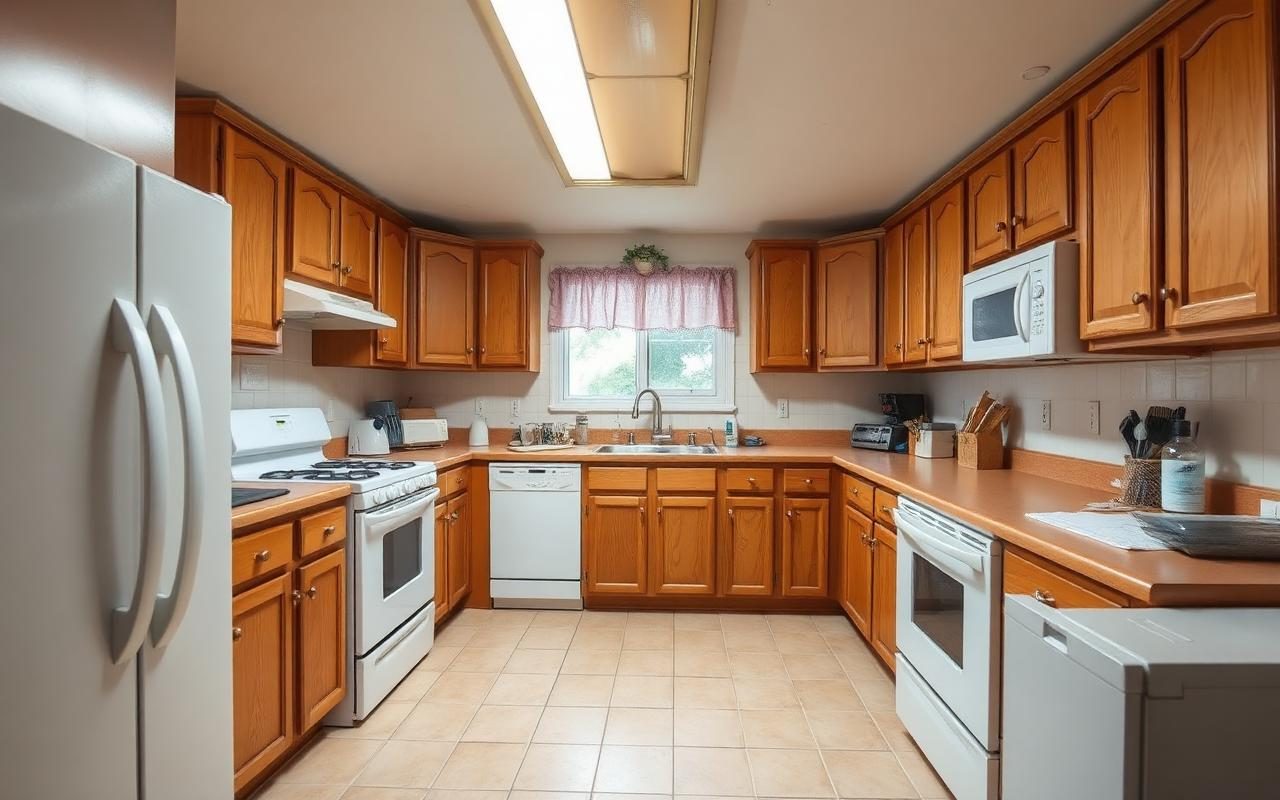
A dated kitchen with original cabinetry, laminate counters and no layout changes needed.
Before A dated kitchen with original cabinetry, laminate counters and no layout changes needed.
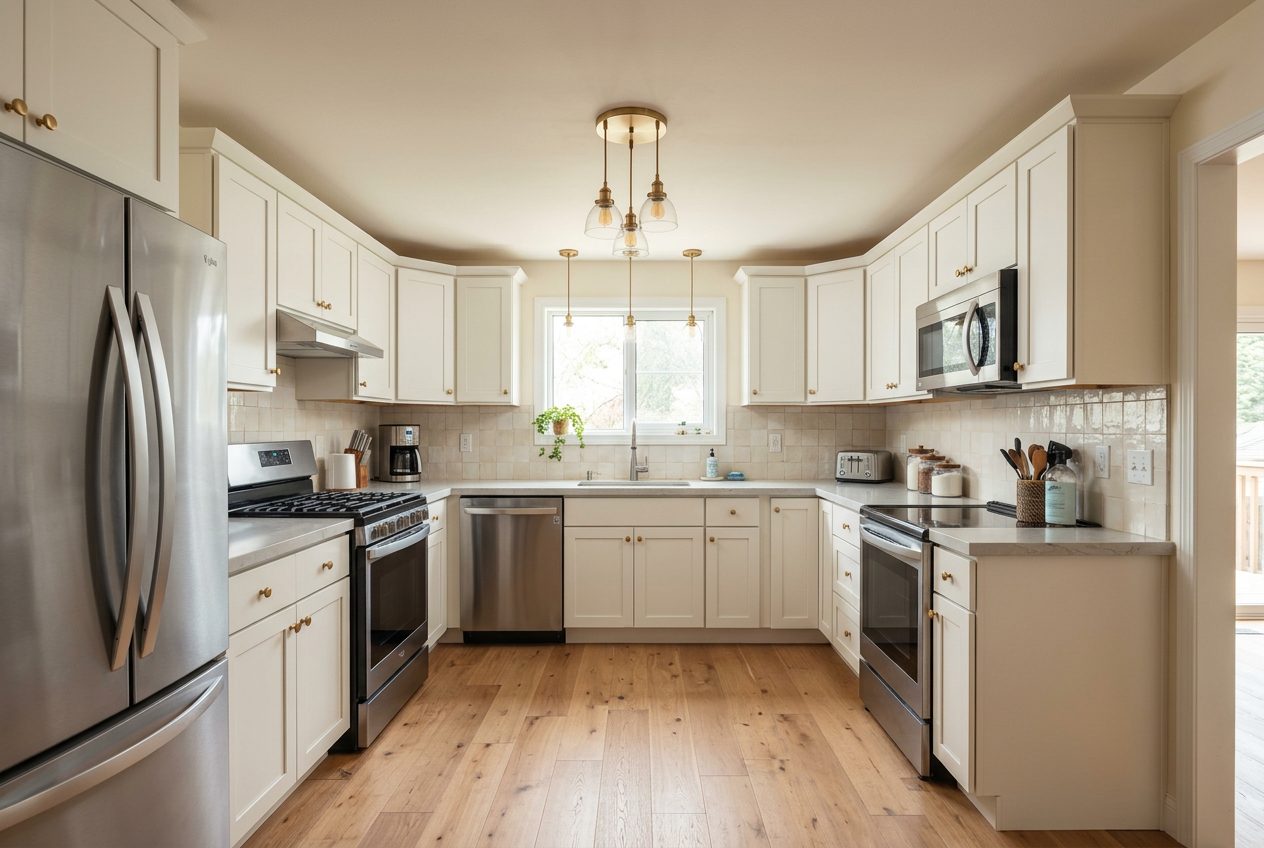
The same footprint after a mid-range remodel: new cabinetry, quartz counters and updated lighting.
After The same footprint after a mid-range remodel: new cabinetry, quartz counters and updated lighting.
How It Works

Three Steps, One Running Total.

01

Photograph Your Kitchen

One photo gives Reality Lock the wall lengths and cabinet run needed to size a real scope.

02

Pick A Tier

Cosmetic refresh, mid-range remodel, or full gut with layout change, each with its own planning range.

03

Get The Line-Item Breakdown

Every trade priced separately so you can see exactly where your budget is going.

Budget And Scope

Mid-Range Kitchen Remodel Scope, 180 SF

This is the tier most homeowners mean when they say 'remodel the kitchen': new cabinetry and counters, no layout change, no moved plumbing.

Estimated Planning Range$19,280 to $30,640
Pricing ConfidenceMedium
Line ItemTradeQtyPlanning Range
Demolition And DisposalDemolition180 SF$580 to $790
Cabinetry, Base And WallCabinetry24 LF$7,900 to $11,900
Countertops, QuartzCountertops42 SF$2,600 to $3,900
Tile BacksplashTile30 SF$1,200 to $1,750
Flooring, LVP Or TileFlooring180 SF$1,500 to $2,300
Paint, Walls And CeilingPaint180 SF$750 to $1,100
Plumbing, Sink And FaucetPlumbing1 LS$900 to $1,500
Electrical And LightingElectrical1 LS$1,100 to $1,900
Appliance Set, Mid RangeAppliances1 LS$2,400 to $4,600
Permits And InspectionGeneral1 LS$350 to $900

Based on a 180 SF kitchen, retail finish grade, no layout change and no relocated plumbing or gas lines.

The Three Tiers, And Why The Word 'Remodel' Hides The Difference

A cosmetic refresh keeps every cabinet box, every plumbing line and every wall exactly where it is, and changes surfaces: paint, hardware, a new backsplash, sometimes new countertops over the existing boxes. On a 180 square foot kitchen that lands around $9,000 to $16,000, and it is the fastest tier to complete because there is no demolition below the surface.

A mid-range remodel replaces the cabinetry itself along with countertops, backsplash, flooring and appliances, but keeps the layout. Sinks, ranges and refrigerators stay in their existing locations. This is the tier most people picture when they say 'remodel the kitchen,' and it runs $28,000 to $45,000 on that same 180 square foot room.

A full gut with a layout change moves plumbing and sometimes gas lines, may remove or add a wall, and often adds an island or reconfigures the working triangle entirely. This tier starts around $55,000 and has no real ceiling, because it depends on how much structural and mechanical work the new layout requires.

Cabinetry: The Line That Moves The Whole Budget

Cabinetry is the single largest line item in almost every kitchen remodel, typically 30 to 40 percent of the total budget, and it is also the line with the widest price spread. Stock cabinets from a big box supplier run $44 to $66 per linear foot installed. Semi-custom cabinetry, which is what most mid-range remodels actually use, runs meaningfully higher once you add soft-close hardware, full-overlay doors and a painted rather than laminate finish. Full custom cabinetry from a local shop can double the stock price again.

Because cabinetry drives so much of the total, it is the first line to pin down before estimating anything else. A homeowner who wants a $30,000 kitchen but specifies full custom cabinetry has already spent most of that budget before countertops, tile or appliances enter the conversation.

Countertops By Material

Countertop material is the second-biggest lever in a kitchen budget after cabinetry, and the spread between materials is large enough to matter on a 40 to 45 square foot countertop run. Laminate runs roughly $16 to $24 per square foot installed and is the budget-tier default. Quartz, the most common mid-range and retail-grade choice, runs meaningfully higher and adds durability and resale appeal that laminate does not. Natural stone like granite or marble sits above quartz, with marble carrying both a higher material cost and a sealing and maintenance conversation that quartz avoids entirely.

The honest advice here: quartz is where most mid-range remodels should land. It is the material buyers expect to see in a listing photo, and the incremental cost over laminate is small relative to the total kitchen budget, while the incremental cost of natural stone over quartz is rarely worth it unless the kitchen is a genuine showpiece.

Moving Plumbing Or Gas: The Cost People Never See Coming

Relocating a sink even a few feet, or moving a gas range to a new wall, is the single most common reason a kitchen budget blows past its original estimate. A layout that keeps every fixture in its existing location avoids this cost entirely. A layout that moves the sink to an island, or relocates a gas line to a different wall, adds plumbing and sometimes mechanical labor that can run into the thousands depending on what is under the slab or inside the wall cavity.

This is worth deciding early and explicitly, because it is the line that separates a mid-range remodel from a full gut in terms of both cost and permit complexity. If your contractor's bid includes moved plumbing or gas without you having asked for it, ask why, because it usually means the new layout requires it, and that is useful information before you commit.

Permits, Inspections And Where People Underestimate

Any kitchen remodel touching electrical circuits, gas lines or structural walls needs a permit in most jurisdictions, and permit fees plus inspection scheduling typically add $350 to $900 and one to three weeks of calendar time that homeowners rarely budget for. Skipping the permit to save the fee is a real risk at resale, when an uninspected electrical or gas change can hold up a buyer's financing.

The most common underestimate on a kitchen job is not any single line, it is the accumulation of small allowance-level items: disposal fees for old cabinetry, paint touch-up after other trades finish, a dishwasher that needs to be reset because the new countertop height changed, and appliance delivery lead times that stretch a two-week job into six. Build a 10 to 15 percent contingency into any kitchen budget for exactly this reason, and treat it as part of the plan rather than a sign something went wrong.
Questions

Answers Before You Start.

What does a mid-range kitchen remodel cost on average?

On a typical 180 square foot kitchen with no layout change, a mid-range remodel replacing cabinetry, countertops, backsplash, flooring and appliances lands in a planning range of roughly $28,000 to $45,000. Actual pricing depends heavily on cabinetry grade and countertop material, the two largest line items in the scope.

Is it cheaper to keep the existing kitchen layout?

Yes, significantly. Keeping every sink, range and appliance in its current location avoids relocating plumbing and gas lines, which is one of the most expensive and unpredictable parts of a kitchen job. A layout change can add thousands of dollars and additional permit steps that a same-footprint remodel avoids entirely.

How much of the budget should go to cabinetry?

Cabinetry typically represents 30 to 40 percent of a kitchen remodel budget. If cabinetry is eating a much larger share than that, it usually means the grade chosen (custom versus semi-custom versus stock) is mismatched with the rest of the budget for countertops, tile and appliances.

Do I need a permit for a kitchen remodel?

If the job touches electrical circuits, gas lines, plumbing relocation or structural walls, most jurisdictions require a permit. A cosmetic refresh that changes only paint and surfaces usually does not. Skipping a required permit creates real resale risk when a buyer's lender flags unpermitted work.

Why do kitchen remodels go over budget so often?

Most overages come from an accumulation of small items rather than one big miss: disposal fees, paint touch-up after other trades, appliance lead times and unexpected electrical panel capacity issues. Building a 10 to 15 percent contingency into the original budget is the standard way experienced contractors account for this.

Pricing

Pick The Plan. Keep The Number.

Annual pricing shown. One credit balance across every tool, and we meter credits, not people.

Free

$0/mo

5 credits a day, typical budget range

Start Free

Starter

$7/mo

200 credits a month, clean HD

Choose Starter
Most Popular

Pro

$10/mo

2,000 credits a month, commercial license

Choose Pro

Studio

$13/mo

4,000 credits a month, unlimited seats

Choose Studio

Price Your Own Kitchen In Minutes

Upload a photo of your kitchen and get a tier-specific planning range broken down by trade.

Estimate My Kitchen