Cost Per Square Foot By Material
Laminate is the most budget friendly option at $3 to $6 per square foot installed, and it is a reasonable choice for bedrooms and living rooms where moisture is not a concern. Luxury vinyl plank runs $4 to $9 per square foot and has become the most popular mid-range choice because it is water resistant and durable enough for kitchens, entries and bathrooms as well as living spaces.
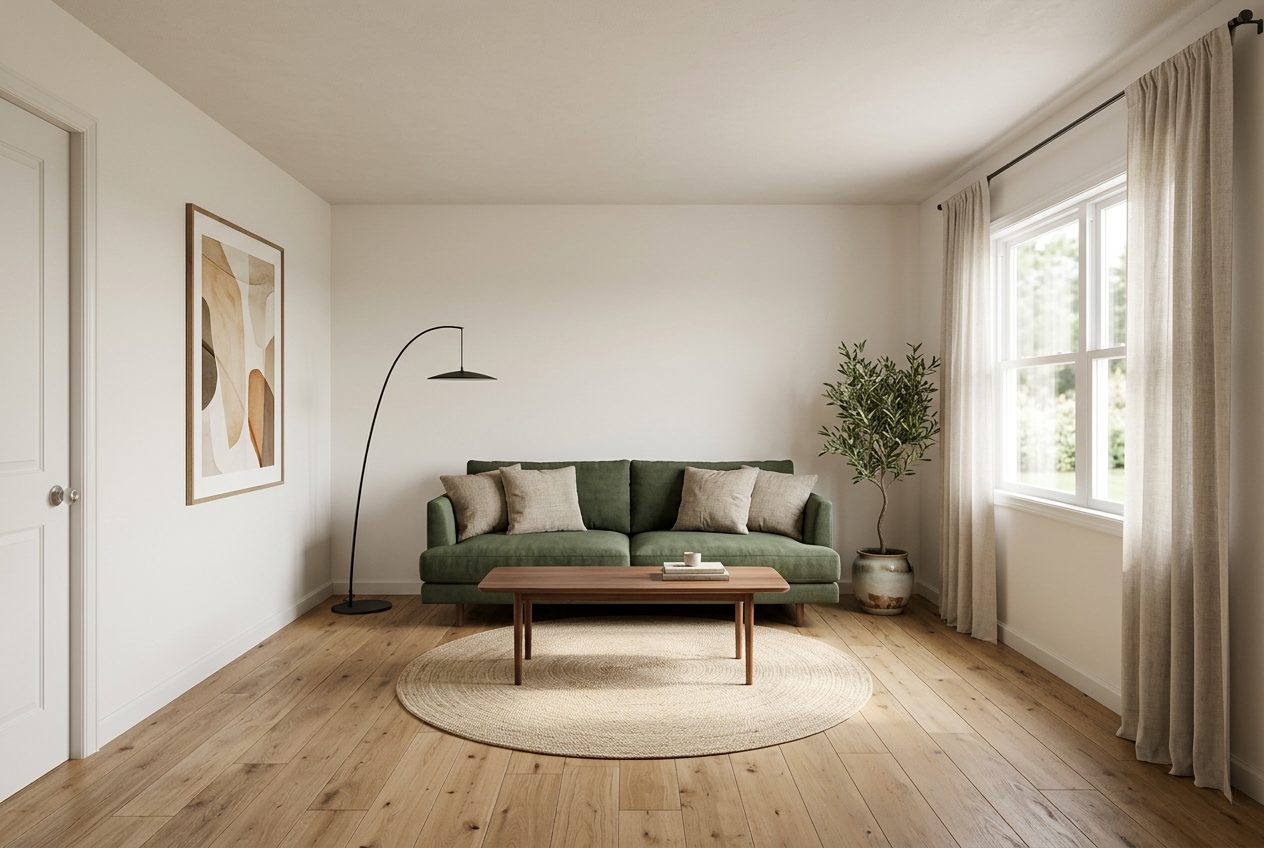
Solid or engineered hardwood runs $6 to $14 per square foot and remains the highest resale value option in most markets, though it requires more careful subfloor prep and is not recommended for bathrooms or basements below grade. Ceramic or porcelain tile runs $7 to $16 per square foot, with the range driven heavily by tile size and pattern complexity, a simple large format tile installs faster and cheaper than a small mosaic or herringbone pattern.
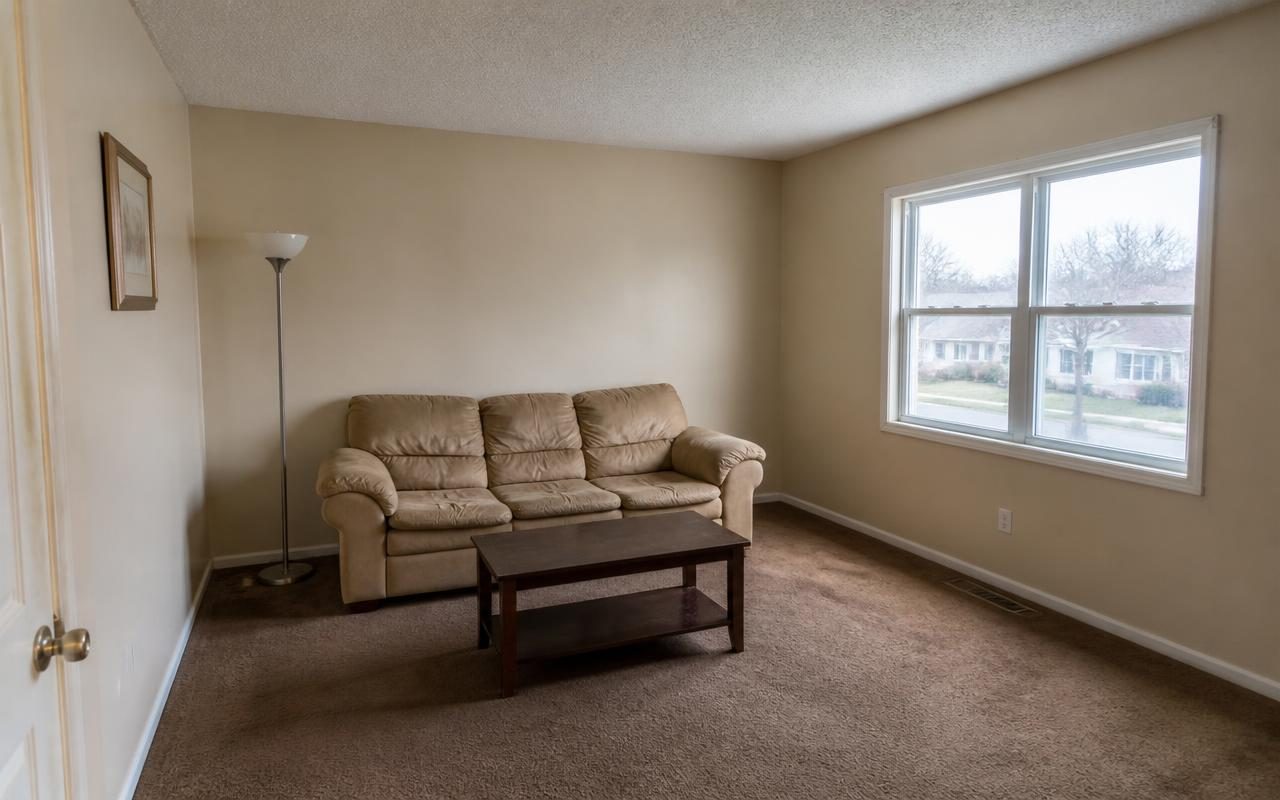
Carpet, while less commonly requested now, still runs $2 to $5 per square foot installed for mid-range material and remains the cheapest option for bedrooms where softness matters more than durability.
- Laminate: $3 to $6 per SF installed
- Luxury vinyl plank: $4 to $9 per SF installed
- Hardwood, solid or engineered: $6 to $14 per SF installed
- Ceramic or porcelain tile: $7 to $16 per SF installed
Subfloor Condition Changes The Number
The flooring material and installation labor are only part of the cost, subfloor condition is the variable most homeowners underestimate. A subfloor that is level, dry and free of old adhesive residue adds little to the base installation cost, while a subfloor that needs leveling compound, plywood replacement, or removal of multiple layers of old flooring can add $1 to $3 per square foot before the new material goes down.
Water damage, squeaky spots, or visible unevenness are signs the subfloor will need work, and a contractor cannot give an accurate quote without seeing the subfloor exposed, which is why flooring quotes often include a contingency line for subfloor repair discovered during demo.
What Installation Labor Actually Includes
Installation labor covers laying the material itself, but a complete flooring job also includes demo and haul away of the old flooring, underlayment, transition strips between rooms, and removing and reinstalling baseboards so the new flooring meets the wall cleanly. Skipping baseboard removal to save money usually looks worse than the cost saved, since the new flooring will show a visible gap or an uneven cut line against the old baseboard.
Furniture moving is also frequently left out of a quote unless specifically requested, and for a fully furnished room that can add $100 to $300 depending on room size and whether items need to be moved to another part of the house during installation.
Room By Room Considerations
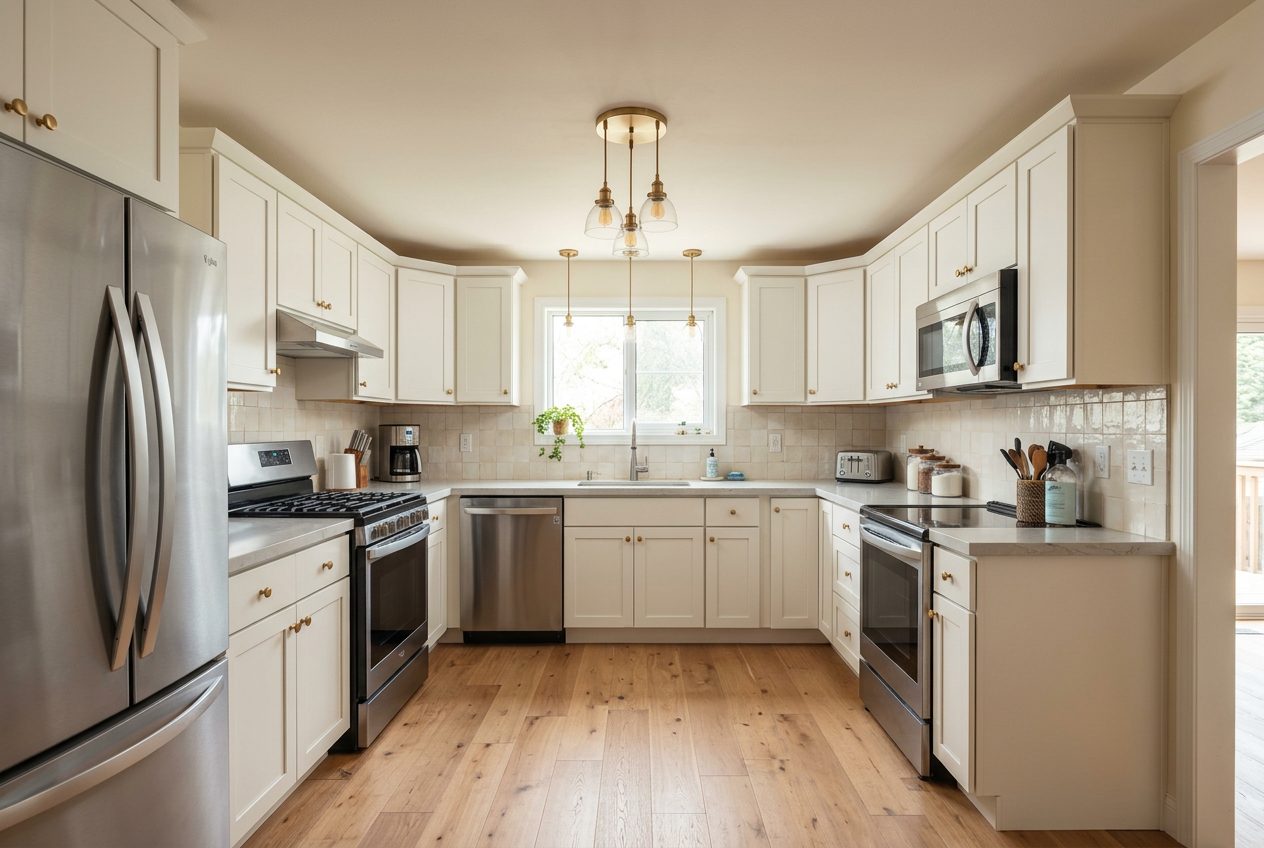
Kitchens and bathrooms need water resistant material, luxury vinyl plank or tile, since laminate and solid hardwood can warp or swell with moisture exposure over time. Basements below grade have the same requirement plus a vapor barrier consideration, since concrete slabs can wick moisture even when they appear dry.
High traffic areas like entries and hallways benefit from more durable, easier to clean material even if it costs more per square foot, since replacing worn flooring in five years costs more than the upgrade would have at installation. Bedrooms are the one area where carpet still makes practical sense for many households, since the softness and sound dampening it provides do not have a good substitute in hard flooring.