Cosmetic Pass Versus Full Gut
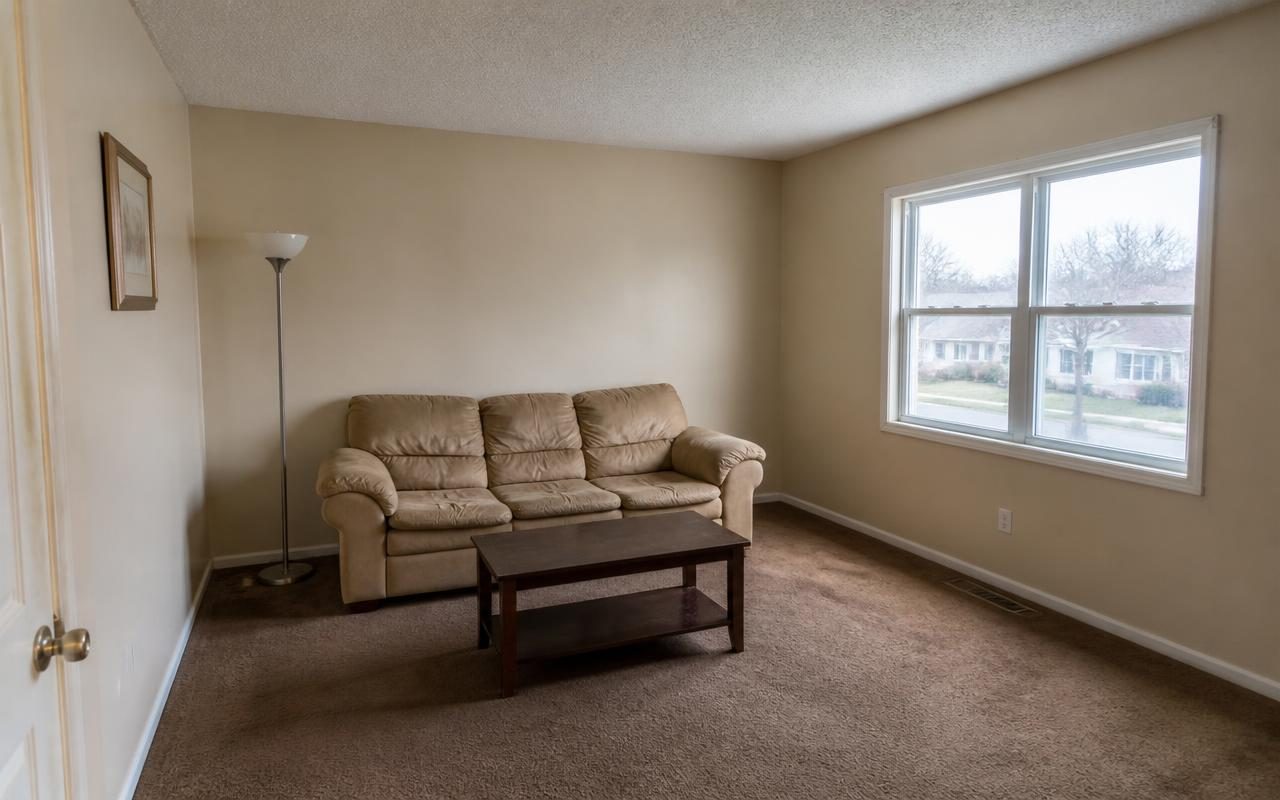
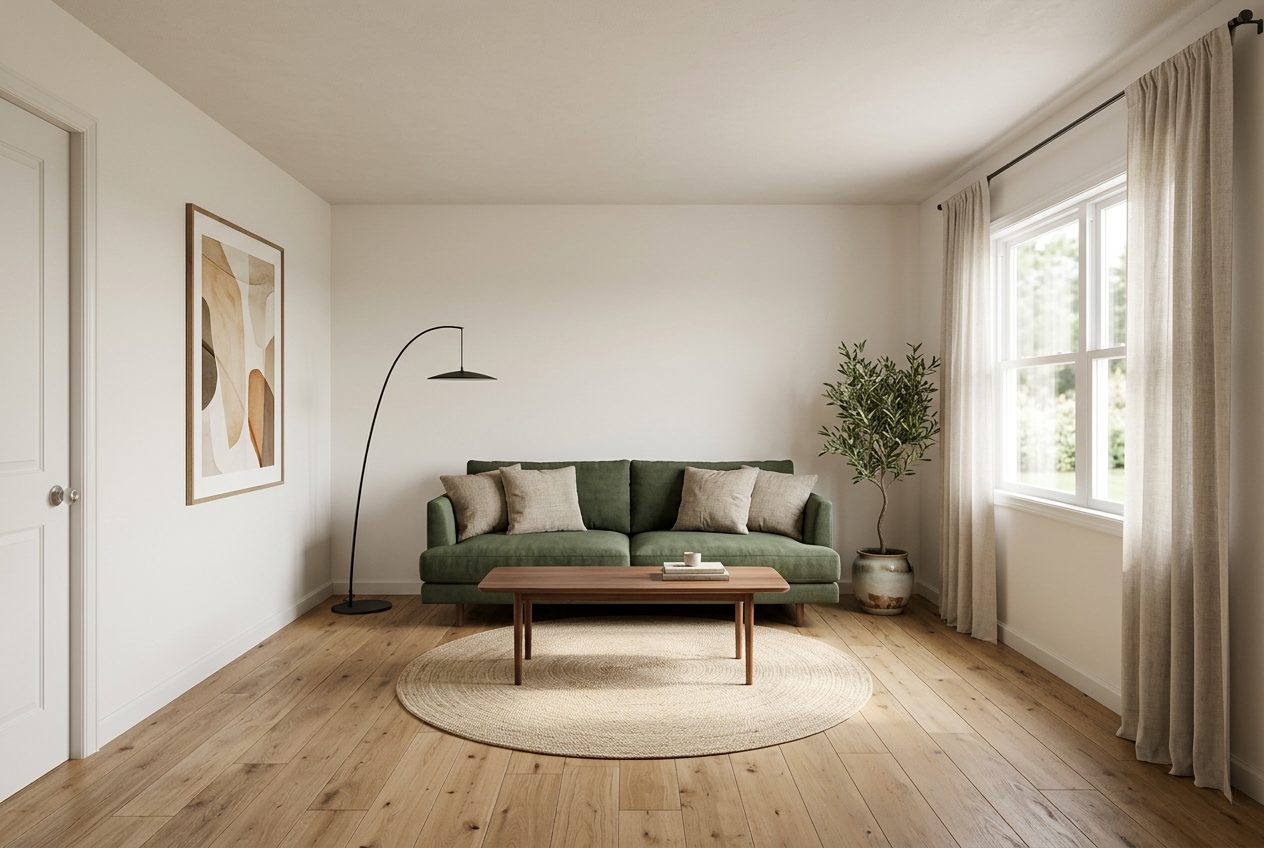
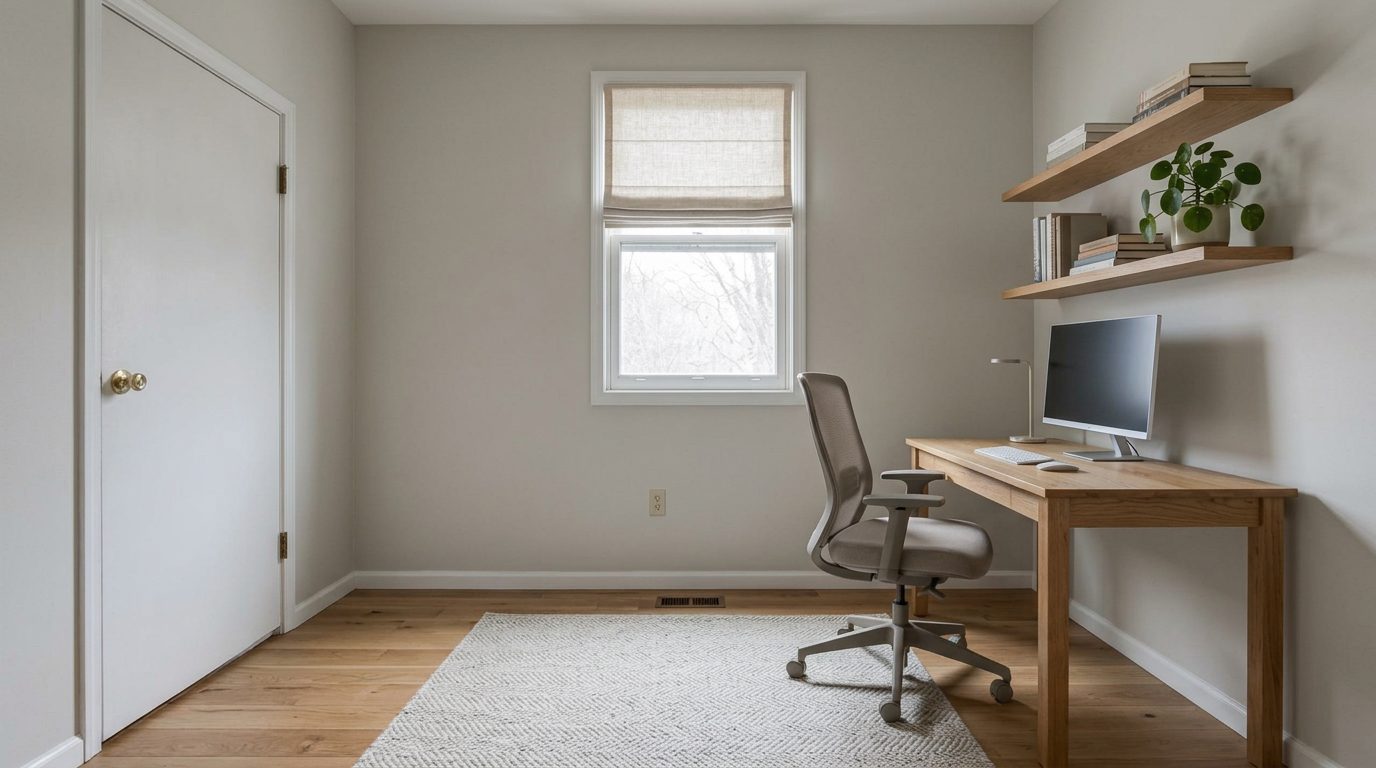
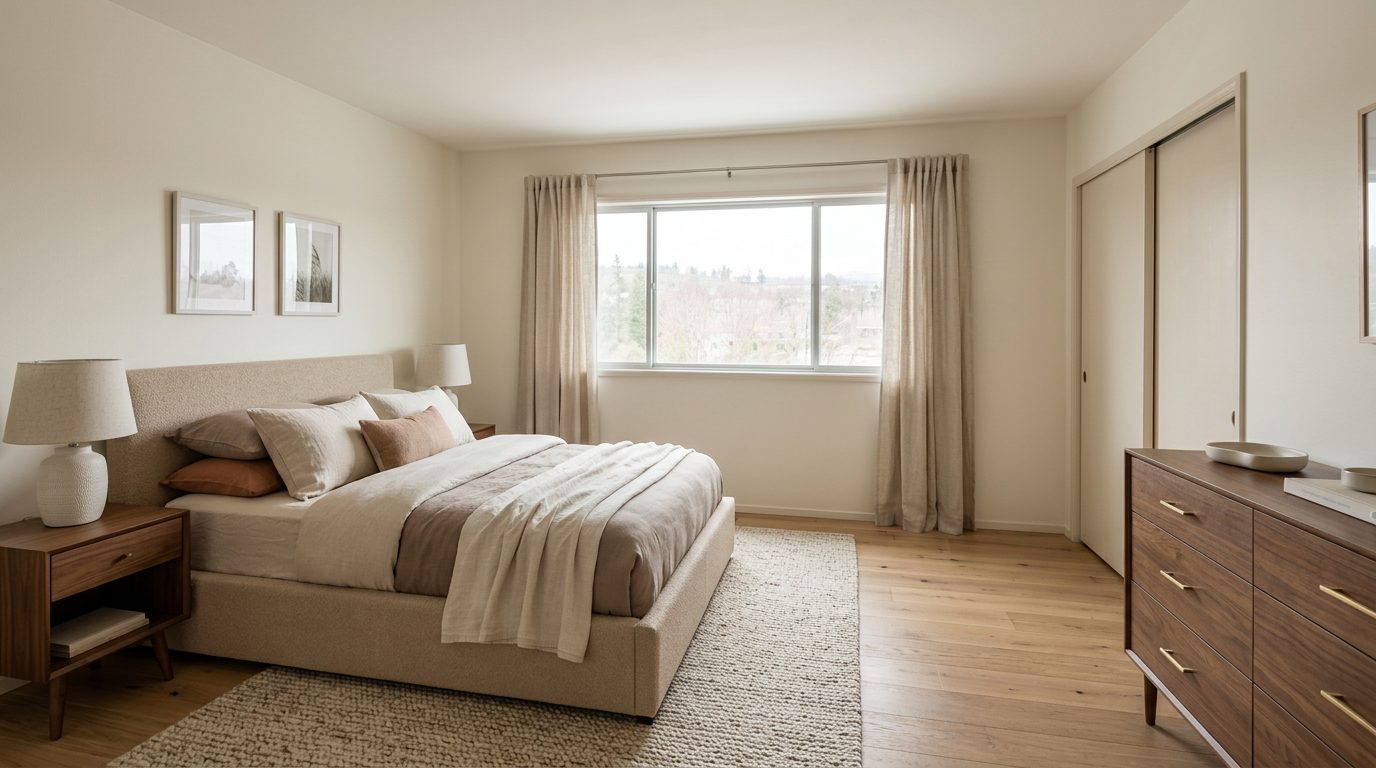
A cosmetic whole house pass means paint, flooring, lighting, hardware and fixture swaps in every room with no layout or system changes, no moved plumbing, no new electrical panel, no structural work. This is the $60,000 to $120,000 range for an average home and it is the fastest path to a visibly different house, usually completed in four to eight weeks.
A full gut renovation means removing rooms down to studs, relocating plumbing and electrical, replacing mechanical systems and often changing the floor plan itself. This is the $250,000 to $450,000 range and it takes four to eight months, because permits, inspections and sequenced trades add time that a cosmetic pass never encounters.
Most homeowners actually want something in between, a mid-range renovation that redoes the kitchen and bathrooms fully while giving the rest of the house a cosmetic pass, which typically lands in the $130,000 to $240,000 range depending on how many wet rooms are involved.
- Cosmetic pass: paint, flooring, lighting, fixtures, no layout changes
- Mid-range: kitchen and bathrooms fully redone, rest of house cosmetic
- Full gut: structural, plumbing, electrical and mechanical systems all replaced
Kitchens & Bathrooms Drive The Total
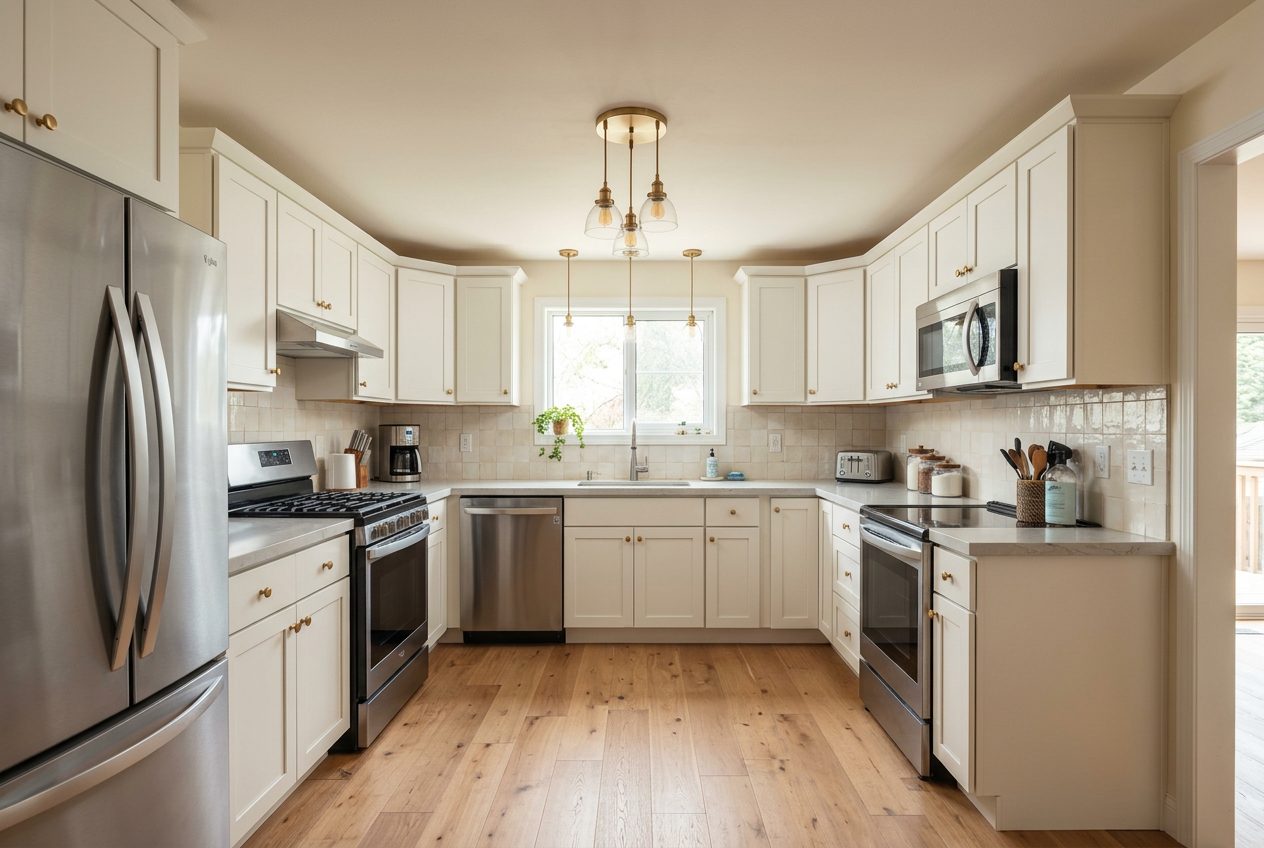
Wet rooms, the kitchen and every bathroom, carry a disproportionate share of any whole house budget because they combine cabinetry, tile, plumbing and electrical in a small footprint. A house with a kitchen and three bathrooms being fully redone can spend 50 to 60 percent of the total renovation budget in those rooms alone, even though they represent a fraction of the square footage.
This is why two houses of the same size can have wildly different whole house numbers, one where only bedrooms and living spaces are touched will cost far less than one where every bathroom is also gutted. Scoping wet rooms first and separately from the rest of the house gives a much more accurate whole house total than a blended per square foot number.
Sequencing & Living Through The Work
Whole house renovations are typically sequenced kitchen and bathrooms first, since those trades take longest and the house is least livable during that phase, followed by flooring, paint and lighting throughout. Attempting every room simultaneously usually costs more in trade coordination and mistakes than a sequenced plan, even though it takes longer calendar time.
Whether you can live in the house during a whole house renovation depends almost entirely on whether the kitchen and at least one bathroom stay functional at any given time. A full gut renovation of every room simultaneously typically requires moving out, while a phased cosmetic to mid-range renovation can often be done with the household staying in place.
Budgeting for temporary housing or a kitchen setup elsewhere, even a modest one, should be part of the whole house planning conversation from the start rather than a surprise mid-project.
Systems & Structure Behind The Finishes
Older homes frequently need electrical panel upgrades, HVAC replacement, or plumbing repiping as part of a whole house renovation even though none of that work is visible in the finished photos. These system level costs, typically $8,000 to $20,000 per system, are the most common source of whole house budgets running over, because they are discovered once walls are opened rather than planned for up front.
A house built before the 1990s should assume at least one major system, electrical, plumbing or HVAC, needs meaningful investment during a full renovation, and pricing that in during planning avoids a mid-project scramble when it is found during demolition.